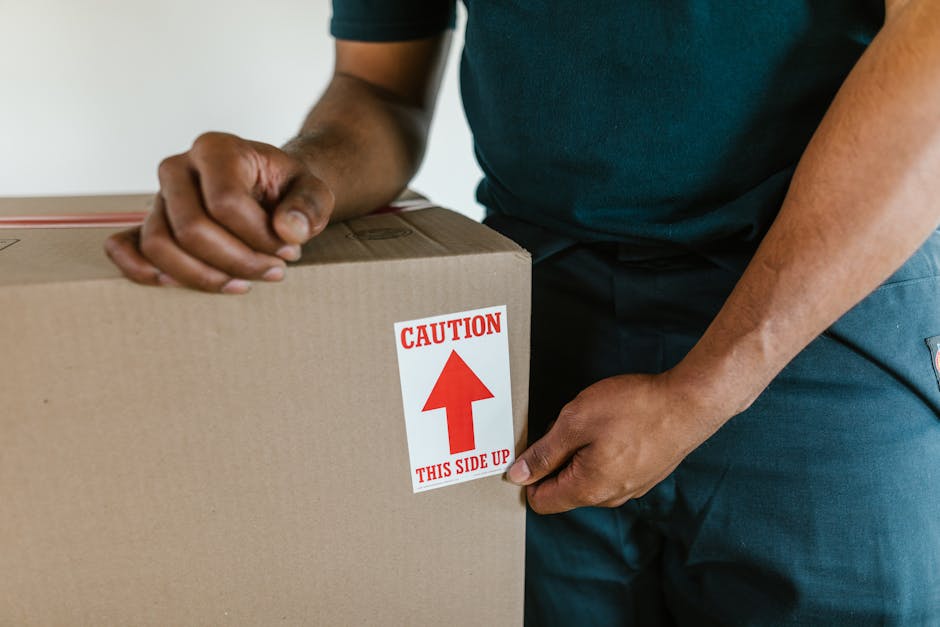
Movers prohibit hazardous materials like gasoline, paint, and propane tanks due to strict federal safety regulations.
Perishable food and live plants are generally excluded to prevent spoilage, pest risks, or damage to other items.
Your mover cannot legally demand payment for more than 110 percent of a non binding estimate at the time of delivery.
Most professional moving companies will refuse to load hazardous, illegal, or highly perishable items onto their trucks. This list often surprises people because it includes common household goods that feel harmless in your daily life.
Understanding these restrictions prevents massive delays on the morning of your move. If you have already loaded these items into your moving boxes, you will be forced to leave them behind or discard them at the curb.
What items are strictly prohibited by movers
Professional long distance movers operate under strict federal guidelines that govern vehicle safety. Carrying items that are flammable or explosive creates an unacceptable risk for the driver and your property. You should assume that anything capable of causing a fire or a chemical reaction will stay at your old house.
Understanding hazardous materials
Most people do not realize that common items like nail polish remover, aerosol cans, and household cleaners are banned. Batteries, especially loose lithium batteries, often fall under this category as well. Your moving crew will inspect these items during the walk through process. If they find them in your cabinets, they will ask you to remove them from the shipment immediately.
Why perishables and plants get left behind
Plants are difficult to transport because they require light and water that the interior of a moving truck cannot provide. Changes in temperature during a long journey will kill most house plants before you reach your destination. Perishable food is equally problematic because it creates a risk of spoilage, odors, and pests. You should eat or donate all open food containers before the moving day begins.
Managing your personal valuables
High value items like jewelry, cash, and sensitive documents should always stay in your possession. Movers generally do not accept liability for these goods. You should carry these in your personal vehicle or keep them in a secure bag that stays with you at all times. Taking these items with you is the only way to ensure they remain safe throughout the relocation process.
Moving planning is much easier when you know exactly what to prepare for. You can try our moving cost calculator to understand how different item types affect your move weight.
How to handle items movers won't transport
Once you identify the items that cannot go on the truck, you need a plan for disposal. Do not wait until the day before your move to clear these things out. Most local municipal websites have specific drop off days for household hazardous waste.
Disposal of chemicals and fuels
You must never pour paint or chemicals down the drain. Many cities offer free collection centers where you can drop off old paint, gasoline, and cleaning solvents safely. Call your local sanitation department at least two weeks before your move to check their schedule. This proactive approach saves you from the stress of last minute packing disasters.
Relocating your houseplants
If you have a large collection of plants, consider gifting them to neighbors or friends. Alternatively, you can move them yourself if you are driving to your new location. Place them in an open box in your car where they will get air and sun. Never leave plants in a parked vehicle for an extended period if the temperature is high.
The rule of thumb for liquids
Liquid items like wine, shampoo, and cooking oil are technically allowed, but they are risky. A single leak can ruin your furniture, electronics, and clothing inside a shared trailer. If you must pack these, tape the lids shut and place each bottle in an individual plastic bag. Many people choose to sell or donate these items instead of dealing with the packing headache.
The table below outlines common categories and whether they typically make the cut for long distance transit.
Item Category
Typical Status
Handling Recommendation
Hazardous Chemicals
Strictly Prohibited
Take to local waste center
Living Plants
Generally Prohibited
Give to friends or family
Cash & Jewelry
Excluded from Liability
Keep in your possession
Perishable Food
Prohibited
Donate or consume locally
What rights you have when a mover makes a mistake
You are protected by federal law when working with interstate movers. Understanding your rights helps you avoid common scams that target people moving across state lines. A common red flag is a mover asking for a large cash deposit before they even arrive at your home.
Understanding non binding estimates
When you receive a non binding estimate, the company provides a quote based on the estimated weight of your goods. Under this agreement, the mover cannot require you to pay more than 110 percent of that estimate upon delivery. If the final weight comes in higher, the remaining balance can be billed to you within 30 days.
The security of binding estimates
A binding estimate locks in your price regardless of the final weight. You pay exactly what you signed for in the original contract. This option provides peace of mind because you know the total cost before the truck pulls away from your house. Just be aware that adding extra services like packing or stairs will increase that price after you sign.
A large upfront cash deposit before your belongings are loaded is one of the most common warning signs of a moving scam; legitimate movers typically do not require full payment until delivery.
Always take the time to verify a mover's license before you sign any paperwork. It takes just a few minutes and ensures you are working with a legitimate business.
Why movers often ask about the condition of your items
The physical state of your furniture and boxes matters as much as the contents. Movers look for damage, bugs, or structural issues because those things can spread to other shipments. If you have older furniture that is falling apart, be honest with your moving company.
Detecting pest risks
Upholstered furniture that has been stored in a garage for years might harbor pests. If a mover spots signs of bed bugs or moths, they have the right to refuse the item entirely. Keep your furniture clean and dry to ensure the crew is willing to handle it. You should always disclose if items have been in storage facilities for more than a few months.
Assessing furniture stability
Heavy antique pieces or particle board furniture might not survive a cross country trip. If a desk or bookshelf is wobbly, it might break under the weight of other boxes stacked on top of it. Some companies will ask you to sign a liability waiver for these items. They want to ensure you understand the risk before they load the piece.
Verifying packing quality
When you pack your own boxes, the crew cannot see what is inside. They will often ask questions about the weight and contents to ensure the boxes are packed correctly. If you use cheap materials or pack a box over 50 pounds, you risk damage to your own items during transit. Proper packing prevents these issues from happening in the first place.
If you are looking for more details on how to manage your budget, you can browse more cost guides to help with your planning.
Most standard household cleaning supplies like bleach or ammonia are considered hazardous by moving companies. You should leave these behind or give them to someone who lives nearby to avoid safety risks.
What happens if I forget to tell them about a prohibited item?
If the crew discovers a prohibited item during loading, they will ask you to remove it from the shipment immediately. You will be responsible for disposing of that item yourself before the truck leaves.
Are frozen foods allowed on a move?
Frozen foods are not allowed because the truck does not have a freezer unit to maintain the temperature. These items will spoil and potentially damage other boxes during the trip.
Being prepared is the best way to keep your moving costs down and your stress levels low. Take time to sort your items today so you know exactly what is coming with you to your new home.