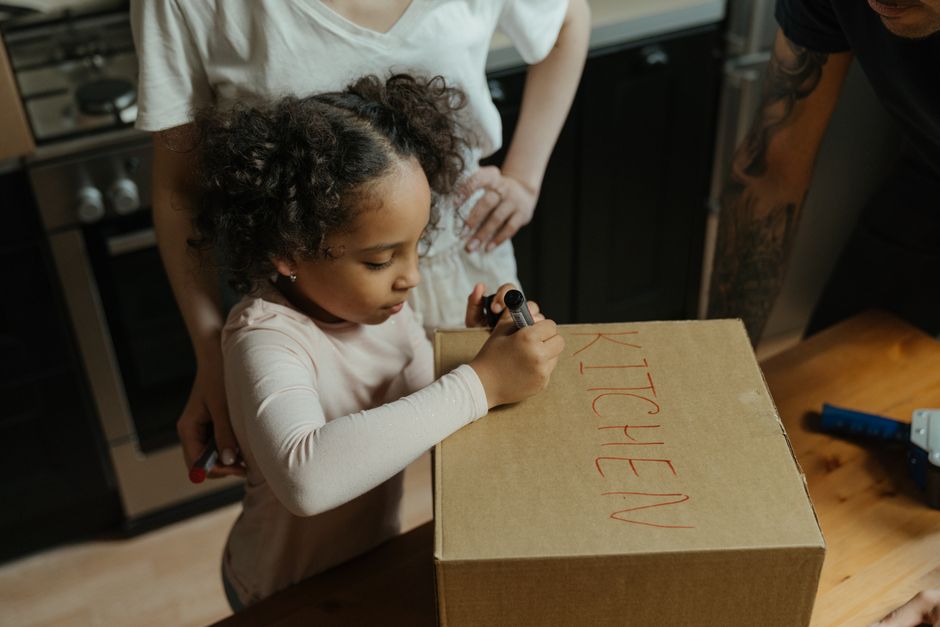
Involve children in the packing process early to reduce anxiety by letting them handle their own belongings.
Budget for a professional babysitter or a family member to watch younger kids on the actual loading day.
Prioritize setting up the kids' bedrooms first in the new home to provide a sense of stability and normalcy.
Moving a household across state lines is complicated enough without the added challenge of managing emotional children. Parents often focus so heavily on logistics that they forget the psychological impact of leaving a familiar environment.
You need a strategy that puts family stability ahead of the moving schedule. This approach saves you time and reduces the risk of expensive errors or meltdowns.
How do you prepare kids for a long distance move?
Preparation starts weeks before the moving truck arrives. Most children feel anxious because they lack control over the situation. You can change this by giving them age appropriate tasks like labeling boxes for their bedroom.
Consistency matters during this transition. Try to keep their regular sleep and meal routines as normal as possible throughout the packing phase. Sudden changes to their day already create stress. Moving day will go much smoother if they know exactly what to expect from the start.
Create a personal packing kit
Ask each child to pack a backpack with their most important items. This should include favorite toys, comfort blankets, and electronic devices. Keep this bag with you in the personal vehicle rather than putting it on the moving truck. You never want those specific items lost in a sea of cardboard boxes for several days.
Visit the new area virtually
Spend time looking at Google Maps or local websites of your new destination. Show them pictures of the new park, the library, or their future school. Familiarity reduces the fear of the unknown. Knowing where the local ice cream shop is located makes the new city feel like a real home rather than a scary transition.
Use a transition timeline
Younger children benefit from a visual calendar. Mark the days leading up to the move with stickers. This provides a tangible way for them to understand that the move is approaching. Seeing the time pass helps them mentally prepare for the final departure date.
Moving is a major life event that involves significant costs. Before committing to a specific strategy, try our moving cost calculator to ensure your budget accounts for extra travel expenses or pet care.
What should you do with kids on moving day?
The physical loading process is dangerous and loud. Heavy equipment, open trucks, and busy movers create an environment where children are easily injured or overwhelmed. You should aim to keep them completely removed from the action if possible.
Sending children to a friend or relative for the day is a smart move. It allows you to watch the movers and verify items without constant distractions. If you cannot arrange offsite care, create a designated safe zone inside the house that is strictly off limits to the moving crew.
Managing the move day schedule
Phase
Time Investment
Primary Focus
Planning
4 to 6 weeks
Decluttering and logistics
Packing
2 to 3 weeks
Sorting personal items
Moving Day
1 day
Safety and supervision
Unpacking
1 to 2 weeks
Bedroom setup priority
Understand your moving rights
You must protect your belongings while you focus on your family. All interstate movers must offer two liability options during the process. The first is Released Value Protection, which is free but offers only 60 cents per pound per damaged item. The second is Full Value Protection, where the mover is liable for the replacement value of your items.
Never pay your mover with cash in full before your items arrive at the destination. A large upfront deposit is a major red flag for a moving scam. Only pay the final balance once you verify your items have arrived safely.
Keep communication clear
Give the moving crew clear instructions about the rooms that contain fragile items or things that stay behind. If your kids have toys that look like boxes, mark those clearly with tape. Confusion between your family items and the movers' equipment leads to lost belongings.
How do you avoid moving scams when relocating a family?
Family moves are prime targets for predatory companies because parents are often distracted and pressed for time. Scammers count on your desire for a quick, cheap solution. You must verify every company before handing over a single piece of your furniture.
Always look for a valid Department of Transportation number. You should verify a mover's license to ensure they are registered for interstate transit. If a company refuses to provide their credentials, walk away immediately.
Beware of the bait and switch
Low quotes often hide high costs that appear after the truck is already loaded. This practice is common among dishonest operators. They might claim your items weigh more than estimated or that your location requires special equipment fees. Always get a binding estimate to protect your budget from these mid-move price hikes.
Check the arbitration requirement
Legitimate interstate movers are required to participate in an arbitration program. This is your safety net if you have a dispute over damaged items or unexpected charges. The company must provide you with a summary of this program before you sign your bill of lading. Do not sign anything if you do not understand the dispute process.
Look for red flags
If a salesperson seems too pushy or avoids specific questions, that is your cue to leave. Professional movers take the time to answer your concerns and document your inventory. They do not force you into a decision with fake time sensitive discounts or high pressure sales tactics.
How do you make the new home feel like home?
Getting your kids settled quickly is the best way to end the stress of the relocation. Do not try to unpack the entire house in a single weekend. Focus on the spaces that provide comfort and functionality.
Start with the bedrooms. A child who has their own bed and favorite toys arranged feels safe and secure. This simple step helps them sleep through the first few nights in a new city.
Plan your first week of meals
Moving week is not the time to worry about elaborate cooking. Keep a stash of easy, kid friendly snacks and simple meal options. Takeout is an acceptable solution when you are exhausted from moving boxes. Prioritizing rest over a perfect home setup will keep everyone in a better mood.
Explore the neighborhood
Spend the first weekend visiting local landmarks rather than just unpacking boxes. Walk to the nearest park or visit the local school grounds. Letting your children see the surrounding community helps them build their own mental map of the new territory.
Maintain patience
Expect some emotional outbursts from your children as they adjust to the change. Moving is a massive transition that takes time to process. Be patient with them and yourself during these first few weeks. If you need more advice on finding reputable help for your next transition, you can always browse more cost guides to help manage your expectations.
The best approach is to find a dedicated sitter or family member to take your toddler out of the house for the day. If you cannot find help, designate one room as the safe zone and keep the child occupied with new books or movies. Keeping them away from the heavy lifting is essential for their physical safety.
Should I tell my children about the move early?
Yes, you should tell them as soon as you are certain about the plan. Children often pick up on parental stress, so being transparent helps them feel like part of the process rather than a victim of it. Keeping the news secret until the last minute usually increases their anxiety and resistance to the change.
How do I make the new home feel familiar?
Prioritize unpacking their bedroom items like bedding, posters, and favorite toys within the first 24 hours. Setting up their familiar sleeping space creates an immediate anchor in an otherwise chaotic new environment. Once their room is ready, spend time exploring the backyard or neighborhood to create positive associations with the new location.
Taking the time to plan your family's move is an investment in your collective peace of mind. Use our resources to verify your movers and check your budget so you can focus on making this new chapter a success for your kids.