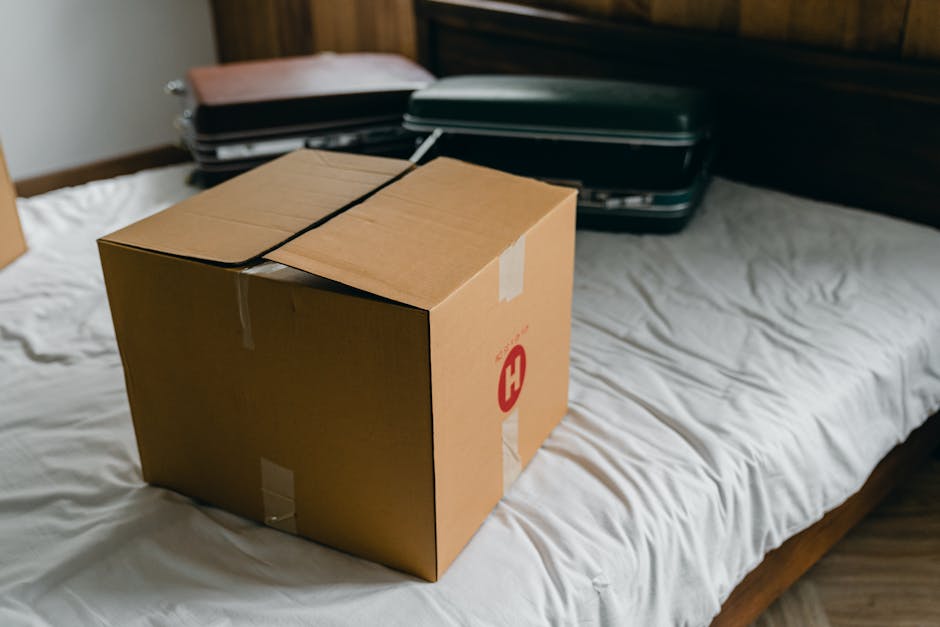
The average cost to move a 3 bedroom house long distance typically ranges between $4,000 and $8,000.
Local moves for a home of this size usually cost between $1,200 and $2,500 based on hourly labor rates.
Moving quotes fluctuate based on total shipment weight, distance, and the time of year you choose to relocate.
Most people underestimate the volume of their household belongings until they actually start packing. You should budget for at least 8,000 to 12,000 pounds when you calculate the cost to move a 3 bedroom house across state lines. Professional movers base their long distance pricing primarily on this weight and the mileage between your old and new front doors.
Local moves feel different because they usually involve an hourly rate rather than a weight calculation. You can expect a crew of three or four people to spend a full day loading and unloading your belongings. That labor intensity drives the price, especially if you have heavy furniture or stairs at either location.
What factors change the price of your move?
Why weight determines your final bill
When moving long distance, your belongings are weighed on a certified scale. The company then multiplies that weight by their rate per pound. Every extra sofa or box of books adds to this total. Getting rid of unwanted furniture before the movers arrive is the most effective way to lower your final bill.
How distance affects your bottom line
Moving across the country is significantly more expensive than moving to a neighboring state. Fuel costs and driver hours add up quickly as the mileage increases. Long distance movers often group several small shipments on one truck to keep prices manageable, which can mean your items take two weeks to arrive.
The impact of seasonal demand
Moving in the middle of summer is almost always more expensive than moving in the middle of winter. Demand spikes when school is out and families want to settle into new homes. You can save money if your schedule allows you to move during the off peak months of November through February.
Why do moving quotes change after booking?
Understanding binding vs non binding estimates
A non binding estimate represents the mover's best guess of what the final cost will be based on their initial inspection. If the actual weight exceeds the estimate, the mover cannot require you to pay more than 110 percent of that original quote upon delivery. Any remaining balance beyond that 110 percent is typically billed later within 30 days.
The reality of binding estimates
Under a binding estimate, you pay exactly the quoted price at delivery regardless of the shipment's actual weight. This gives you peace of mind but requires total honesty about the items you possess. You must disclose everything upfront because the mover will charge you for any additional services or items added after you sign the contract.
Avoiding hidden fees and extra charges
Some companies add fees for stair carries, long carries from the house to the truck, or elevator access. You should always ask if your quote includes these surcharges before you sign anything. Honest movers will perform a visual survey of your home to identify these logistical hurdles ahead of time.
Move Distance
Estimated Price Range
Primary Pricing Factor
Local (Under 50 miles)
$1,200 to $2,500
Hourly labor rates
Short Haul (200 to 500 miles)
$2,500 to $4,500
Weight and distance
Long Haul (Over 1,000 miles)
$4,500 to $8,500
Total weight in lbs
Cross Country (3,000 miles)
$6,000 to $12,000
Weight and fuel costs
Check your specific situation by using our Try our moving cost calculator to see where your specific move lands on the spectrum.
What movers won't tell you upfront
The truth about your furniture insurance
Every interstate mover must offer two specific liability options. Released Value Protection comes at no extra cost but provides minimal coverage of 60 cents per pound per item. If a 50 pound television breaks, they only owe you 30 dollars. This rarely covers the cost of a replacement.
Considering full value protection
Full Value Protection makes the mover liable for the actual replacement value of your goods. You usually pay an extra fee for this coverage, but it provides much more security for your high value items. Always review your home insurance policy as well, because some personal insurance plans offer coverage for items in transit.
Always verify the legitimacy of your chosen moving company before handing over a deposit. You can easily Verify a mover's license to ensure they are registered with the federal government.
Preparing for the move day
Take photos of your furniture before the crew begins wrapping items to document their condition. This creates a record you can use if something arrives damaged. Clear paths inside your house to prevent the crew from tripping or struggling with bulky boxes.
How to start your moving plan today
Narrowing down your company options
Research companies that focus on your specific route. Some movers specialize in regional transfers while others dominate the coast to coast market. Look for companies that have provided clear answers about their weight calculation methods during your initial interview.
Getting multiple firm quotes
Gather at least three separate estimates from different companies. Never settle for the first quote you receive, as prices can vary by thousands of dollars between providers. Ask each company to break down their estimate into specific categories like labor, fuel, and storage.
Finalizing your inventory
Keep a detailed list of every box and piece of furniture you own. Use this list to compare against the final bill of lading at your destination. You can find more advice on Browse more cost guides to help you navigate the remaining hurdles of your relocation.
Renting a truck is almost always cheaper in raw dollars because you avoid paying for professional labor. However, you must account for the cost of gas, hotel stays, and your own physical exhaustion when driving a large vehicle across state lines. Most families find that hiring professionals saves significant time and prevents potential injury.
Should I tip the moving crew for a large house?
Tipping is not mandatory but is customary if the movers did a good job with your belongings. A common practice is to provide between 5 and 10 dollars per person for each hour worked. You should provide the tip in cash directly to the workers at the end of the day.
How early should I book my move?
You should aim to book your movers at least six to eight weeks before your move date. Popular summer dates fill up months in advance, so early planning ensures you secure the specific day you need. Last minute bookings often result in higher prices or a lack of available high quality providers.
Your moving experience relies on planning and clear communication with your chosen company. Start your search now and get those firm quotes early to ensure your transition stays within your budget.