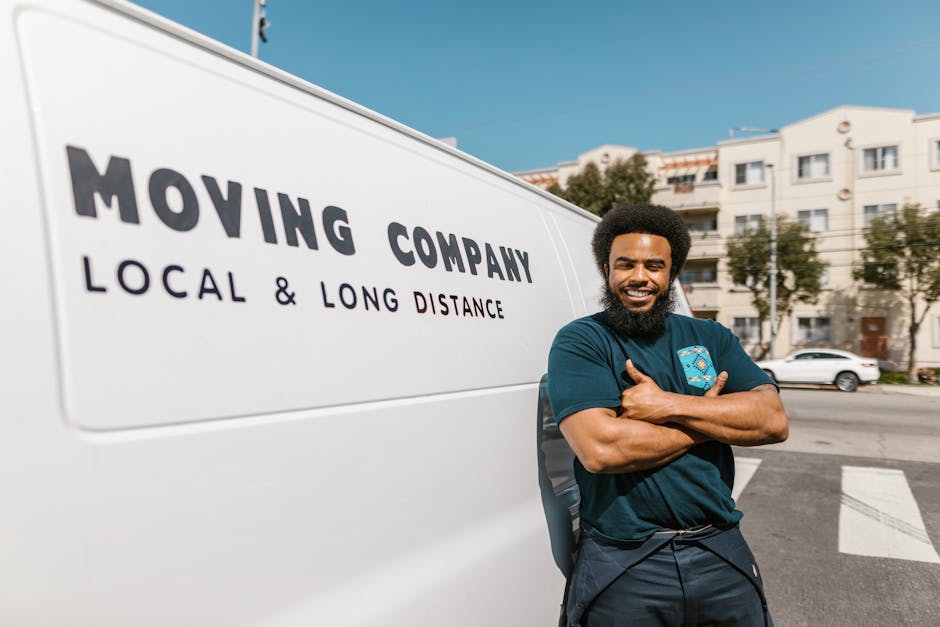
Local truck rentals typically cost between 150 and 400 dollars per day depending on truck size and location.
Long distance rentals often range from 1000 to 3000 dollars for a one way trip across several states.
Always verify if your quote includes mileage fees and insurance as these extras can add hundreds to your final bill.
Most people assume a rental truck is the cheapest way to move. While that is often true, the final price is rarely what you see on the website homepage. Our moving truck rental cost comparison shows that hidden fees like fuel, daily mileage, and mandatory insurance can quickly turn a budget friendly plan into a expensive headache.
You should know that rental companies calculate rates based on demand, date, and distance. Moving in the middle of the week or during the off season will almost always save you money. You can try our moving cost calculator to see how these variables shift your final estimate.
What factors actually change your moving truck rental cost?
Truck rental companies adjust prices every day based on their inventory levels. If a location has too many trucks sitting on the lot, you might see a lower rate. Conversely, moving during the summer or at the end of the month puts you in the peak season where prices often spike by 20 percent or more.
The distance impact on your bill
Local moves function differently than long distance ones. Local rentals charge a daily rate plus a per mile fee. You pay for the time you have the keys and the distance you drive. Long distance moves use a flat rate for a set number of days and miles. If you go over your allotted mileage or keep the truck longer than agreed, the company will charge you significant overage fees.
Hidden costs you might miss
Insurance is the most common surprise for new movers. Most personal car insurance policies do not cover a massive box truck. You will likely need to purchase the provider's damage coverage to avoid personal liability for accidents. Other hidden costs include fuel surcharges, environmental fees, and equipment rental like furniture dollies or moving blankets.
Move Distance
Estimated Cost Range
Primary Fee Structure
Local Move
150 to 400 dollars
Daily fee plus mileage
Short Interstate
800 to 1500 dollars
Flat rate for distance
Cross Country
1500 to 3500 dollars
Flat rate plus days
Small Apartment
100 to 250 dollars
Base rate plus fuel
Understanding these price structures allows you to look at quotes with a more skeptical eye. Always ask the representative to clarify if the quote is all inclusive.
How can you compare quotes across different providers?
Comparing rental companies requires consistency. When you request quotes, use the exact same moving dates and the same truck size for every provider. A 10 foot truck from one company might have less internal space than a 10 foot truck from a competitor. Check the cubic feet measurements rather than just the truck length if you have a tight amount of belongings.
Check the company history before booking
Before you finalize a reservation, spend a moment to verify a mover's license if you are considering a hybrid move where you rent a truck but hire professional laborers to pack it. While you are renting the truck yourself, you still need to ensure that anyone you hire to assist is legitimate and insured.
Read the fine print on insurance
Never assume you are covered. Ask the rental company specifically about what their damage waiver includes. Some policies cover only the truck while others cover the contents inside. Getting clarity now prevents a massive bill if you scrape the side of the truck against a tree or a low hanging garage entrance.
Every interstate mover must offer two liability options: Released Value Protection which is a free but minimal 60 cents per pound per damaged item and Full Value Protection where the mover is liable for the item's actual replacement value.
Ensuring you understand these protections is vital. Even if you are moving yourself, you should treat your belongings with the same care a professional would.
When does renting a truck become more expensive than hiring pros?
Many people realize too late that the cost of a truck is just the starting point. You must also account for the cost of fuel, which is significant for a large truck getting 8 to 10 miles per gallon. Add in the cost of hotel rooms during a long haul move and the physical toll of loading everything yourself, and the price gap closes quickly.
The hidden value of your time
Packing and driving a heavy truck is exhausting. If you have to take three days off work to drive across the country, you are losing potential income. Factor in the cost of food and lodging for those extra days on the road. Often, a professional team can move you in one day while you fly to your destination in a few hours.
Equipment and supplies add up
Do not forget the cost of boxes, tape, bubble wrap, and protective pads. Professional movers often include these in their full service packages. If you are doing it yourself, these supplies can easily cost several hundred dollars. Create a spreadsheet to track these costs alongside your truck rental fee to see the true total.
You can browse more cost guides on our site to compare DIY expenses against professional moving services. Weighing these options requires an honest look at your budget and your physical capacity.
Renting a truck is almost always cheaper on paper for short distances. However, if you include your time, fuel, food, lodging, and packing supplies, the savings often shrink. For long distance moves, the difference narrows even further because of the massive fuel costs and potential for equipment issues.
What is the most expensive part of a truck rental?
The mileage fee is often the most expensive component for local moves. For one way rentals, the daily rate and the drop off fee based on the truck size are usually the largest line items. Always double check if your quote includes unlimited mileage or if there is a strict cap on how far you can travel.
Should I pay for the insurance offered by the rental company?
Most experts recommend purchasing the damage waiver unless your personal auto or umbrella policy specifically covers commercial rental trucks. Accidents during a move happen frequently due to the size of the vehicles and your lack of experience driving them. Paying for coverage is a small price compared to the liability of a major accident.
Taking the time to research your route and your equipment needs will save you hundreds. Start by comparing your actual inventory against the truck sizes offered by major providers. You are now ready to make a smart choice for your upcoming relocation.