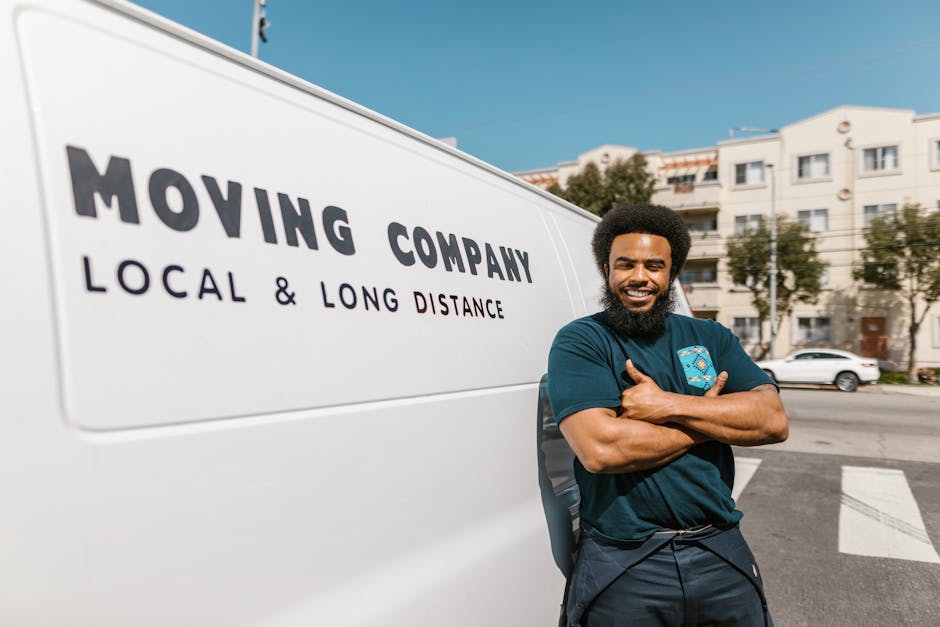
Local moves typically cost between 150 dollars and 400 dollars per day depending on the vehicle size and mileage.
One way long distance rentals often range from 1,000 dollars to 3,000 dollars for a cross country trip.
You must always budget an extra 200 dollars to 500 dollars for fuel and insurance beyond the base rental fee.
Most people underestimate the total bill for a diy move because they look only at the daily base rate. A moving truck rental cost comparison reveals that the advertised price rarely matches what you pay at the counter. Taxes, insurance, and fuel charges often add hundreds of dollars to your final invoice.
You should view the rental truck as a base cost rather than a final price. The convenience of a rental saves money on professional labor but requires you to manage physical logistics, fuel refills, and equipment damage risks on your own.
What are the real costs of a rental truck?
Understanding local versus one way rates
Local moves function on a daily rental fee plus a specific charge for every mile you drive. If you plan to return the truck to the same facility, the company calculates your total based on the time you possess the vehicle and the odometer reading. Long distance moves work differently because they offer a flat fee for a set number of days and miles.
Why fuel and insurance add up fast
Most rental trucks get poor gas mileage, often between 6 and 10 miles per gallon. You are legally responsible for returning the truck with the same amount of fuel it had when you picked it up. Insurance is another category where costs vary significantly. While your personal auto policy might cover your private vehicle, it often excludes large commercial trucks. Check your coverage before you decline the expensive protection plan offered by the rental agency.
Average pricing breakdown
Move Type
Average Price Range
Common Variables
Local (Studio)
150 to 250 dollars
Mileage, daily rate
Local (3 Bedroom)
300 to 500 dollars
Fuel, insurance, taxes
One Way (1000 miles)
1,200 to 2,000 dollars
Drop off location, size
One Way (2500 miles)
2,000 to 3,500 dollars
Seasonality, availability
Calculating these variables early helps you determine if a diy move is actually cheaper than hiring professional help. You can try our moving cost calculator to see how your specific mileage impacts these numbers.
Why do rental prices change so much?
The impact of seasonality and demand
Rental companies operate like airlines, adjusting prices based on demand and inventory levels. If you move on a summer weekend or at the end of the month, you will likely pay a premium. Moving during the middle of the week or in the off season often results in significant discounts. Always check prices for a few different days if your schedule allows for flexibility.
Truck size and fleet availability
A 10 foot truck is cheaper to rent than a 26 foot truck, but it might not fit your entire home. Choosing a truck that is too small forces you to make multiple trips, which burns more fuel and adds time to your rental agreement. Conversely, renting a truck that is too large increases your fuel consumption and makes driving through residential streets much harder.
Be aware that if you hire professional movers to assist with your rental, federal regulations regarding liability still apply. Interstate movers must offer Released Value Protection and Full Value Protection options, but this does not necessarily cover the truck rental itself. Always clarify who holds the liability for the cargo during the transit phase.
Understanding these fluctuations allows you to book at the optimal time. You can also browse more cost guides to see how other moving methods compare in terms of total investment.
What are the hidden fees to watch for?
Cleaning and damage fees
Returning a dirty truck often leads to a cleaning fee that can exceed 100 dollars. Rental companies also perform a walk through inspection to check for new dents or scratches. You should take detailed photos of the truck from every angle before you leave the lot. This simple step protects you from being charged for damage that existed before you arrived.
Tolls and parking expenses
Driving a large truck limits your options on the road. Many states have height restrictions or specific routes where trucks are not allowed. You might find yourself taking longer routes to avoid low bridges or tunnels. These detours increase your fuel usage and sometimes force you to pay higher toll rates for commercial vehicles.
Equipment rentals and supplies
Packing supplies, furniture dollies, and moving blankets are often treated as add ons. While they seem inexpensive individually, they add up quickly. Consider buying your own packing blankets or borrowing supplies from friends if you want to keep your moving budget lean.
How to save money on your truck rental?
Booking in advance
Early reservations are essential for securing the best rates. When you wait until the last minute, you are stuck with whatever inventory remains at full price. Most companies allow you to modify or cancel your reservation, so booking early provides a safety net without locking you into a bad deal.
Choosing the right location
Some pickup locations charge less than others based on local competition. If you live in a dense metropolitan area, check rates at facilities a few miles outside the city center. You might find that driving to a suburban location saves you a significant portion of your total rental cost.
Membership discounts
Many organizations offer discounts for truck rentals. Check if you have memberships with groups that partner with major moving companies. Even a small percentage discount adds up when you consider the total cost of the vehicle and the required insurance coverage.
Is it cheaper to rent a truck or hire professional movers?
Renting a truck is almost always cheaper for small, local moves where you do the labor yourself. Hiring professionals becomes more competitive for long distance moves once you factor in fuel costs, lodging, and the physical toll of driving a large truck.
What happens if the truck breaks down during the move?
Most major rental companies provide roadside assistance programs to handle mechanical failures. You should confirm the specific details of their support policy before you sign the contract and leave the rental office.
Do I need a special license to drive a large moving truck?
Most rental trucks are classified as light or medium duty vehicles, so they do not require a commercial driver license. You should be prepared to drive carefully, as these trucks have much larger turning radiuses and longer stopping distances than standard passenger cars.
Your move is a major investment that requires careful planning to stay within your target budget. Start by checking your potential mover's credentials if you decide to hire help, and verify a mover's license to ensure they are legitimate. When you balance the cost of a rental against the convenience of professional services, you can make an informed choice that fits your needs.