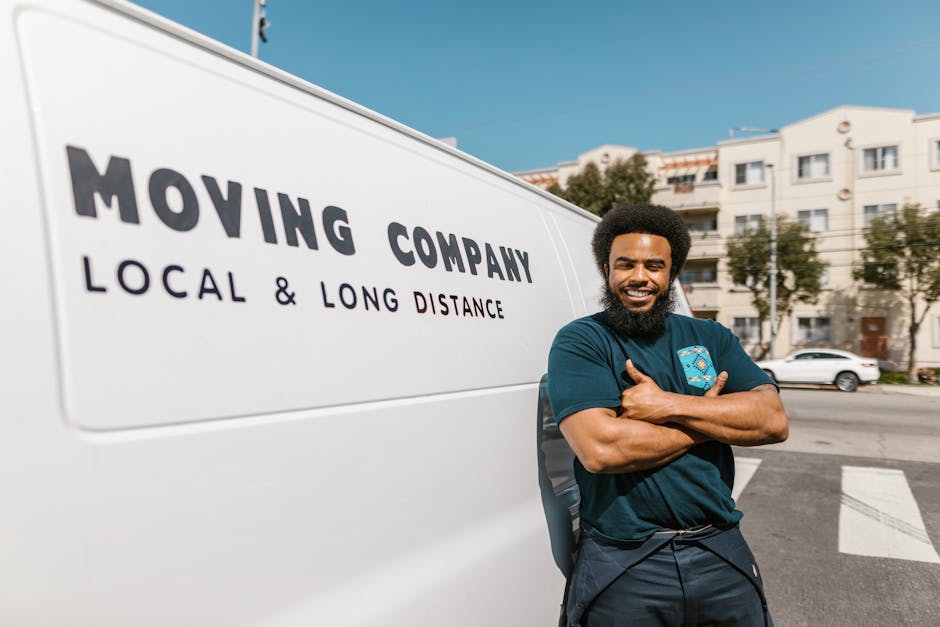
Professional movers strictly refuse hazardous materials like gasoline, propane, paint, and chemicals for safety and legal reasons.
Perishables like frozen food and open pantry items, along with live plants and pets, are never loaded onto moving trucks.
Certain high value items like cash, jewelry, and important legal documents should always stay in your personal possession during the move.
Professional movers often reject specific items because of safety regulations and insurance policies that prioritize the stability of the truck. If you leave these items for the crew to pack, they will likely be left behind on your driveway. Understanding exactly what movers won't move helps you manage your packing timeline and avoids stressful situations on the actual day of the move.
Many people assume a moving truck works like a regular shipping container, but it is an enclosed space subject to extreme temperature swings and heavy vibrations. A simple half empty can of paint can leak or release vapors that ruin your furniture, your neighbor's belongings, and even the truck itself. These safety standards protect both your property and the public from dangerous chemical reactions.
Why do movers refuse your common household items?
Most moving companies provide a list of non-allowable items before they even show up at your home. These restrictions are not just arbitrary choices by the company. They are based on federal and state laws regarding the transport of hazardous materials and volatile chemicals.
### The hazard of flammable materials
Anything flammable, corrosive, or explosive must stay behind. This includes gasoline, propane tanks, charcoal, kerosene, and motor oil. Even common items like household bleach, ammonia, and aerosol cans can be restricted depending on your mover's specific insurance policy.
### Why perishables and plants are out
Moving companies generally do not transport perishable food, live plants, or animals. Fresh food attracts pests and can lead to spoilage that ruins other boxes. Plants are sensitive to the lack of light and water in a dark truck for days at a time. They also risk spreading invasive insects or soil diseases across state lines.
### Protecting your most valuable possessions
Items of extraordinary value should never go in the back of a moving truck. This includes cash, legal documents, jewelry, family heirlooms, and medical records. You should keep these items in your personal vehicle or carry them with you. Professional movers typically cap their liability for these items, and keeping them on your person ensures they never get lost or stolen during transit.
When you are preparing for your relocation, it helps to track all your potential expenses in one place. Try our moving cost calculator to see how these restrictions might shift your packing budget.
What are the legal realities of moving non-allowable items?
Every legitimate interstate mover must possess a USDOT number and an MC number from the FMCSA. These numbers verify that the company follows federal guidelines regarding safety and transit. When a company refuses to move certain items, they are often complying with these regulatory requirements to keep their operating license active.
### Understanding insurance liabilities
Moving insurance policies usually exclude hazardous materials or perishables from coverage. If a mover accidentally takes a container of oil that leaks, your standard moving insurance will likely not cover the damaged furniture or clothing caused by the spill. Professional movers refuse these items specifically to avoid the massive liability that comes with environmental damage or cargo loss.
### Broker versus carrier transparency
Some companies you encounter are actually brokers, not the ones doing the heavy lifting. A moving broker arranges your move but does not do the physical moving itself, and they must disclose their status as a broker before you book. Brokers often have their own unique lists of prohibited items that differ from the actual carrier they hire to show up at your door.
Before signing any contract, verify that your mover has valid credentials. You can verify a mover's license to ensure they are legally authorized to handle your belongings for an interstate move.
Once you confirm the legitimacy of your team, you can compare the scope of your inventory to ensure no unexpected items end up on the truck. You can browse more cost guides to see how packing services or specialty crating might help you manage delicate belongings that your mover is willing to transport.
How do shipping methods influence what moves?
The method you choose for your relocation significantly impacts which items you can pack. Professional full service movers are the most restrictive due to high insurance requirements and strict safety protocols. Conversely, self-moving options often give you more control, though they do not absolve you of the dangers of moving hazardous chemicals.
Moving Method
Hazardous Items
Perishables
Valuables
Professional Mover
Strictly Prohibited
Strictly Prohibited
Not Recommended
Moving Containers
Strictly Prohibited
Prohibited
User Choice
Rental Truck
Owner Responsibility
Owner Responsibility
Owner Responsibility
Small Shipment LTL
Prohibited
Prohibited
Not Recommended
Your choice of moving service changes your responsibility level immediately. If you drive a rental truck yourself, you technically decide what goes in the box, but you also assume the risk of fire or chemical contamination. Professional services mitigate this risk by enforcing a zero tolerance policy on dangerous goods.
Professional movers generally require that all household cleaning supplies and paint cans be disposed of before they arrive. You should empty these containers or donate them to local neighbors to avoid violating safety protocols.
What happens if I hide restricted items in boxes?
If a mover discovers hazardous items hidden in your boxes, they can refuse to move those items or even decline the entire shipment. You may also be held liable for damages if those hidden items leak and destroy other customers' property inside the truck.
Are lithium batteries allowed on a moving truck?
Many professional movers now restrict loose lithium batteries because they are a known fire hazard during transit. It is best to check with your specific company about their policy on batteries for tools, cameras, and e-bikes before you start packing.
The bottom line is that your mover's rejection of certain items is designed to protect your belongings and ensure a smooth delivery. Check your contract, dispose of hazardous chemicals safely, and keep your most valuable documents with you during the drive. Using a reputable company and verifying their credentials will make your transition much easier.