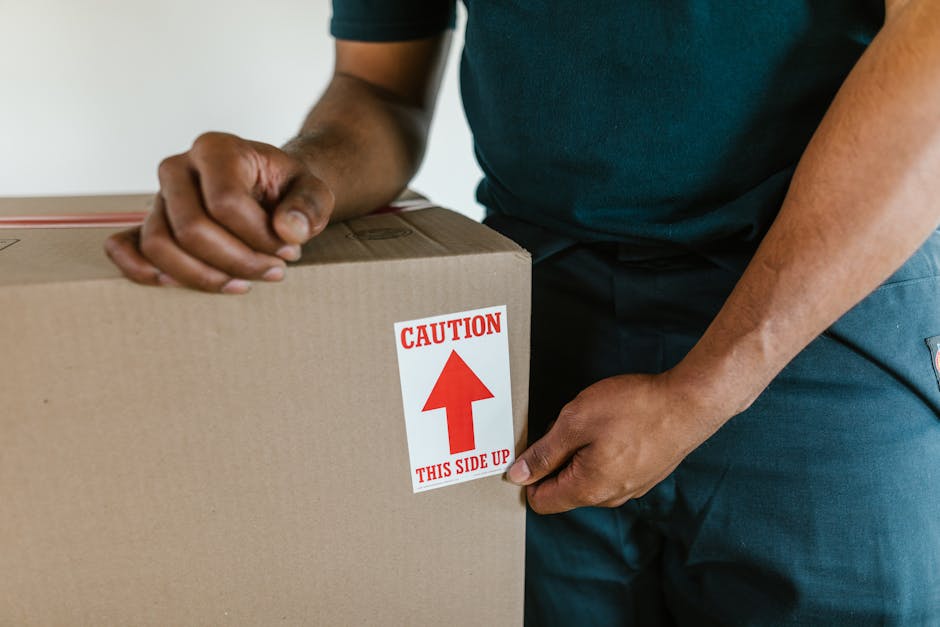
Professional movers will not transport hazardous chemicals, flammable liquids, explosives, or perishable goods for safety reasons.
Certain items like propane tanks, paint, bleach, and live pets are strictly prohibited from moving trucks.
You must pack and transport personal documents, heirlooms, and high value items yourself to ensure their security.
Most people assume that if an item fits inside a moving truck, it is fair game for the moving crew. That assumption can cause massive delays on moving day when your foreman refuses to load your garage chemicals or favorite potted plants. Understanding what movers won't move is essential because federal regulations and insurance policies strictly forbid certain items from crossing state lines.
Professional moving companies face significant liability risks when transporting goods. An enclosed trailer becomes a dangerous environment when exposed to heat, road vibrations, and potential spills. When you know which items are banned, you can properly dispose of them or find alternative ways to transport your belongings.
Why do movers refuse specific items?
Moving companies are not just managing your boxes. They are operating heavy vehicles that must comply with strict Department of Transportation safety rules. A truck moving across the country will encounter drastic temperature changes inside the trailer. Items that seem perfectly safe in your climate controlled living room can become volatile when trapped in a metal box moving at high speeds during the summer.
The danger of chemical reactions
Hazardous materials represent the most common category of non allowable items. Flammable liquids, corrosive cleaners, and pressurized canisters pose an active threat to your entire shipment. If a container of bleach leaks, it will ruin furniture, mattresses, and electronics in your inventory. Beyond your own goods, these items threaten the safety of the crew and the general public on the road.
Regulatory and insurance constraints
Insurance policies for interstate movers specifically exclude coverage for dangerous goods. If an unauthorized item causes a fire, the mover faces massive fines and potential loss of operating authority. This is why every reputable company provides a list of non allowable items before they arrive. You can verify a mover's license to ensure you are working with a company that follows these federal safety standards.
What are the most common restricted items?
Most restricted items fall into the category of household hazardous waste or items that are difficult to insure. While your specific carrier might have slightly different policies based on their insurance, the following table lists the items you should plan to move yourself or dispose of before the crew arrives.
Item Category
Common Examples
Reason for Restriction
Flammables
Gasoline, paint thinner, lighter fluid
Risk of explosion or fire
Pressurized Tanks
Propane, scuba tanks, fire extinguishers
Risk of rupture during transit
Perishables
Frozen food, open food containers, plants
Spoilage, pests, and bacterial growth
Chemicals
Bleach, fertilizers, motor oil
Corrosive leaks and toxic fumes
Handling your personal high value items
Some items are not prohibited because they are dangerous but because they are irreplaceable. Movers generally suggest you keep jewelry, cash, and personal family records in your own vehicle. You should also carry your medical prescriptions and essential paperwork with you during the trip. This ensures that you have access to your most important belongings if the delivery truck is delayed.
The status of live animals and plants
Living things cannot travel on a moving truck under any circumstances. Animals need consistent air, water, and climate control that a cargo hold cannot provide. Plants are also restricted because they can harbor invasive insects or diseases that are illegal to transport across certain state lines. You will need to arrange for professional pet transport or keep these items in your personal vehicle.
What happens if you accidentally pack banned items?
The worst moment to discover a restricted item is when the crew is already loading the truck. If the movers find gasoline or paint cans in your boxes, they have the right to refuse those specific items immediately. This can disrupt your entire move as you scramble to find a place to dump those items on a tight schedule.
Always inspect your garage, shed, and basement before moving day. These areas are the most common hiding spots for restricted materials like lawn chemicals or old spray paint cans.
Your rights regarding estimates and charges
You might worry that a surprise discovery will lead to massive price changes. Under a binding estimate, you pay exactly the quoted price at delivery, regardless of the shipment's actual weight, unless you add services after signing. If you are concerned about your final bill, you can try our moving cost calculator to understand typical market rates for your specific inventory.
Resolving disputes after the move
If a mover damages or loses your items, you have legal protections. All interstate household goods movers are legally required to participate in an arbitration program to resolve disputes over loss, damage, or disputed charges, and must summarize this program in writing before you sign the bill of lading. You always have the right to be present when your shipment is weighed, and to request a reweigh if you have concerns about the recorded weight.
Most professional movers allow you to keep lightweight clothing in dresser drawers during a local move. For long distance moves, however, they usually require drawers to be empty to prevent damage to the furniture frame. You should always ask your specific moving company about their policy before assuming your items can stay put.
Are cleaning supplies allowed on the truck?
Household cleaning supplies like dish soap or glass cleaner are often restricted because they can leak or freeze. If you decide to pack these items, you must ensure they are properly sealed in plastic bins and kept away from fragile belongings. Many movers recommend that you use up your remaining supplies before the move and buy new ones once you arrive at your destination.
How do I dispose of hazardous materials before I move?
You should look for local hazardous waste collection events in your city or county. Many municipalities host specific days where residents can drop off paint, motor oil, and batteries for safe disposal. You can also visit your local fire station or environmental protection agency website to find facilities that accept these materials year round.
If you are still unsure about your specific inventory, look through our browse more cost guides to see how other customers managed their own relocation. Taking a few hours to clear out your restricted items now will save you a stressful afternoon on moving day. Do not wait until the truck arrives to start your inventory cleanup.