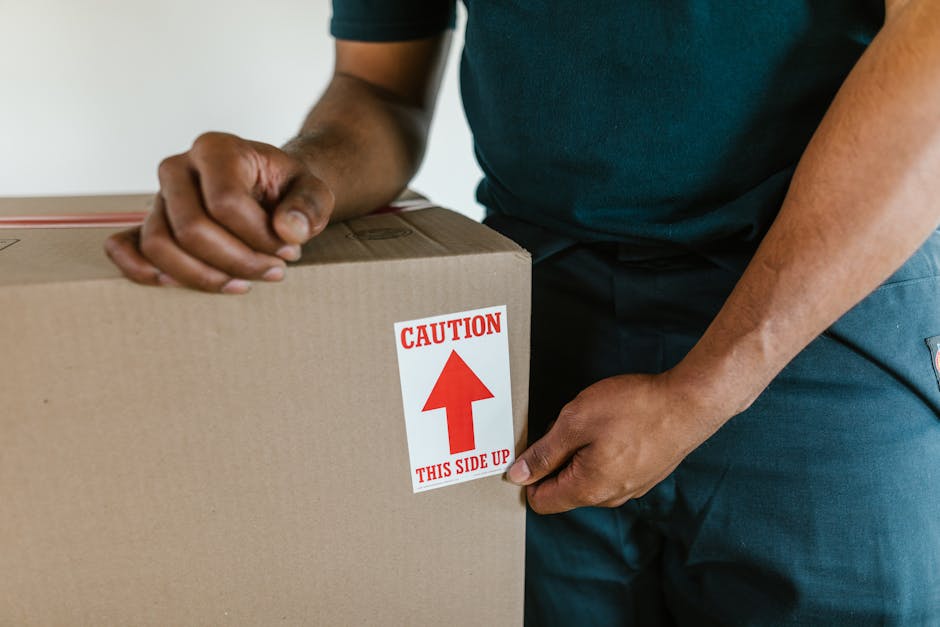
What Movers Won't Move & How to Handle Non-Allowable Items
TM
Written by TheMoveTips Editorial Team
Updated 6 min read
Quick Answer
Professional movers will not transport hazardous materials, perishables, or personal documents for safety and liability reasons.
Most companies prohibit items like gasoline, propane tanks, fireworks, and live plants to prevent fires or infestations during transit.
You should keep high value items like jewelry, cash, and medical records with you in your personal vehicle instead of packing them in the truck.
Most people assume that hiring a professional crew means everything in their home gets loaded onto the truck. In reality, there is a specific list of items that movers legally cannot or will not transport. Knowing what movers won't move helps you avoid significant delays when the truck arrives at your doorstep.
Moving companies must follow strict safety guidelines regarding hazardous materials and liability risks. If you accidentally pack prohibited items, the crew may leave them behind, or you could face safety hazards during the long drive to your new home. Taking the time to sort through your garage and pantry now will save you from scrambling on moving day.
Why do movers have a non-allowable list?
Safety remains the primary driver behind these restrictions. Moving trucks travel across state lines and through various temperature zones, which makes certain items volatile. Chemicals can leak, pressurized tanks can rupture, and flammable liquids create an unnecessary risk of fire or explosion.
Movers also need to protect your other belongings. A leaking bottle of bleach or motor oil can ruin your furniture, electronics, and clothing during a long trip. By restricting these items, moving companies keep their drivers safe and ensure your goods arrive in the same condition they left your home.
Liability is another key factor for these professional companies. Items that are difficult to track or replace, like cash or sensitive legal documents, are generally excluded from moving contracts. If something goes missing from a box, the mover might not be responsible for the loss, making it safer to move those items personally.
What items are commonly restricted?
Your mover will provide a document detailing their specific non-allowable list before they arrive. While policies vary slightly between companies, most major carriers share a common set of rules for interstate moves. You should verify your specific company policies if you have questions about unique items.
The following table categorizes items that typically require your own transport or proper disposal before the movers show up to load the truck.
Category
Items Usually Prohibited
Recommended Action
Hazardous Materials
Gasoline, propane tanks, bleach, pool chemicals
Dispose or give to neighbors
Perishables
Frozen food, open pantry items, fresh produce
Consume or donate before moving
Valuables
Cash, jewelry, coins, important legal documents
Keep in your personal vehicle
Living Things
House plants, pets, livestock
Transport in your own vehicle
Check the official list provided by your specific mover to ensure you do not violate any safety protocols. If you are unsure about a specific item, reach out to your move coordinator well before your loading date. You can also try our moving cost calculator to understand how your inventory size impacts your total budget.
How to manage your hazardous items?
Begin by auditing your garage, basement, and kitchen at least two weeks before your move. Most household chemicals like paint thinners, spray paints, and automotive fluids fall into the non-allowable category. Do not try to sneak these items into standard boxes, as they pose a legitimate risk to the driver.
Look for local hazardous waste disposal centers in your community to drop off dangerous chemicals. Many municipalities offer specific days for residents to safely discard these materials at no cost or a very small fee. Planning this disposal phase early prevents a last minute pile of trash that you cannot legally pack.
If you are concerned about whether a specific mover is legitimate, you should always verify a mover's license through the proper channels. Reputable companies will clearly outline what they will and will not handle during their pre-move assessment. They will not ask you to hide dangerous items or bypass safety regulations.
Under a non-binding estimate, a mover cannot require you to pay more than 110 percent of the estimated amount at delivery. Any remaining balance can be billed later, typically within 30 days. Be wary of any company that demands excessive upfront cash or refuses to provide a written estimate for your inventory.
What to do with your valuables?
Personal items that hold high monetary or sentimental value should never go onto a moving truck. This includes birth certificates, passports, social security cards, and medical records. Keep these files in a fireproof folder inside your purse or backpack so they stay with you at all times during your trip.
Small, high value items like jewelry, collections, or family heirlooms also fall into this category. Even the best moving companies have protocols that discourage the transport of high value inventory for insurance reasons. Bringing these items with you eliminates the stress of wondering about their safety while the truck is in transit.
If you are moving over a long distance, consider the climate inside the moving van. Extreme heat or cold can damage electronics and certain delicate heirlooms. Planning which items stay in your personal vehicle versus the moving truck will help you arrive at your destination with all your most important belongings secured. For more advice on managing these types of transitions, you can browse more cost guides to help structure your budget.
Most interstate movers refuse to transport plants because they can attract pests or die due to lack of water and sunlight in a dark truck. You should plan to transport your plants in your personal vehicle or gift them to local friends and family before you head out.
What happens if I accidentally pack a prohibited item?
The moving crew will typically identify the item during the loading process and leave it behind for you to handle. This creates a stressful situation on moving day because you have to decide where to store or dispose of the item while the team waits to finish their work.
Are frozen foods allowed in the moving truck?
Professional movers do not transport perishable food items including those stored in freezers or refrigerators. These items are subject to spoilage and can cause severe damage to the rest of your household goods if they leak or thaw during transit.
Preparing for your move involves more than just packing boxes and booking a truck. Take inventory of your household items early to ensure nothing prohibited makes its way onto the truck. Use our resources to plan your move effectively and keep your belongings safe until you arrive at your new home.