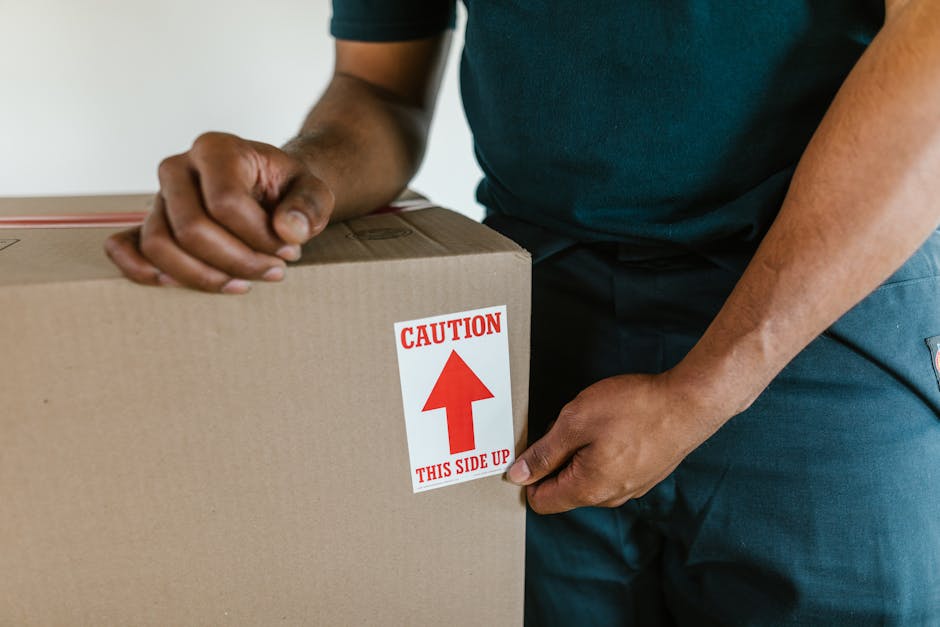
Professional movers will not transport hazardous materials like gasoline, propane tanks, paint, or fireworks for safety reasons.
Perishables like frozen food, open food items, and many indoor plants are typically excluded from shipment by moving companies.
You are responsible for safely disposing of or transporting these restricted items yourself before the moving truck arrives.
Most people assume professional moving companies can take everything from their house to a new state without question. This is a costly misconception that often leads to abandoned items on your front lawn when the truck pulls up. Understanding what movers won't move saves you time and keeps your shipment compliant with federal safety standards.
Professional movers prioritize the safety of their crews and your other belongings. A moving truck is an enclosed environment that experiences significant heat and vibration during long trips. Items that seem perfectly safe on a shelf can become dangerous once they start shifting inside a trailer for hundreds of miles.
Why do movers refuse to pack certain items?
The primary reason for these restrictions is public safety. Movers follow strict federal and insurance guidelines to prevent chemical spills, fires, and infestations. When you mix household goods with incompatible items like bleach or fuel, a single leak can ruin your entire shipment.
Beyond safety, there are practical concerns regarding the longevity of your goods. Moving companies do not want to be held liable for food that spoils or plants that die during transit. If you are preparing for your move, you can try our moving cost calculator to estimate your budget while you plan your packing strategy.
The danger of flammable and hazardous materials
Any substance that is explosive or flammable is immediately off the table for professional crews. This includes gasoline, lighter fluid, charcoal, and propane tanks. Even common garage staples like motor oil, paint thinner, and pool chemicals fall under this restrictive category.
The issue with perishables and living things
Moving companies generally avoid anything that requires specialized care or climate control. This category includes frozen or refrigerated food, produce, and your household plants. Because these items can attract pests or harbor insects, most interstate carriers have firm policies against loading them.
Liability and the risk of damage
Some items are excluded simply because they pose a risk to the integrity of the rest of your cargo. Open cleaning supplies are notorious for causing chemical burns on furniture or upholstery if they tip over. If you need more clarity on how to manage your budget and professional services, you should browse more cost guides to help structure your transition.
What are the most common restricted items?
Knowing which specific items are prohibited helps you plan your disposal strategy weeks before the move. You should sort your garage and utility rooms early to avoid last minute headaches. The table below outlines the general categories of items that professional movers refuse to carry in their trucks.
Category
Examples of Prohibited Items
Reason for Restriction
Hazardous Materials
Gasoline, paint thinner, fireworks
Risk of fire or explosion
Automotive Supplies
Motor oil, car batteries, coolants
Toxic fumes and leakage risk
Perishables
Frozen food, open pantry items
Spoilage and pest attraction
Living Items
Plants, pets, flammable aerosols
Health regulations and safety
Always verify your mover's specific non-allowable list before signing any contracts. Under federal law, all interstate household goods movers must participate in an arbitration program to resolve disputes over loss or damage, so keep your documentation organized.
Moving day usually requires you to handle these sensitive items separately. If you have chemicals or hazardous materials, check your local municipal website for hazardous waste disposal sites. You can often find free drop-off events in your city that allow you to dispose of these items legally and safely.
How to prepare your home for the movers?
Professional preparation starts by walking through your home with an eagle eye for these prohibited goods. Spend a weekend clearing out your attic, basement, and storage shed first. These areas usually hide the most restricted items that professional crews are legally required to leave behind.
Checking your garage and storage areas
Your garage is likely the biggest source of prohibited items. Look for half-used cans of spray paint, lawn mower fuel, and pesticides. These should be disposed of at a local collection facility rather than being shoved into a moving box.
Managing your kitchen pantry
Moving companies often require that all food items be packed in sealed, non-perishable containers. Even then, they may refuse to transport liquids or items that could burst under pressure. Plan to use up your frozen foods and refrigerated items in the weeks leading up to your departure date.
Securing documents and valuables
Movers are not allowed to move items like cash, jewelry, or important personal records. Keep these items with you in your own vehicle to ensure they remain safe throughout the trip. If you have questions about the legitimacy of your chosen carrier, you should always verify a mover's license to ensure they are properly registered.
What if there is a dispute on moving day?
If a mover refuses to load an item, listen to their reasoning. They are often protecting you from potential liability or safety hazards. If you feel the refusal is unfair or violates your agreement, refer to your bill of lading and the paperwork provided to you at the start of the booking.
Understanding non-binding estimates
Under federal guidelines, a mover cannot demand you pay more than 110 percent of your non-binding estimate at the time of delivery. Keep this regulation in mind if a dispute over costs arises during the move. You should always document the items they refuse to take to ensure your final bill is adjusted accurately.
The role of the FMCSA
The Federal Motor Carrier Safety Administration oversees household goods movers to ensure fair practices. If you face dishonest behavior or improper service, you can file a complaint through their national database. This is a free service that helps protect other consumers from potential scams.
Handling unexpected charges
Sometimes movers may offer to pack items you did not disclose, which can lead to higher costs than originally quoted. Always get these updates in writing before the truck is loaded. Clear communication with your move coordinator remains the best way to prevent surprises when the final invoice arrives.
Most moving companies prohibit candles because they can easily melt and cause a mess or a fire hazard in a hot truck. Cosmetics, especially those in pressurized cans or containing alcohol, are also typically restricted for similar safety and insurance reasons.
Can I pack my own paint if it is sealed?
Professional movers generally refuse to pack any paint, even if the cans appear sealed and leak-proof. The risk of temperature changes causing the cans to expand or leak is too high for them to accept. It is better to give your leftover paint to neighbors or dispose of it at a recycling center.
What happens if the mover accidentally packs a restricted item?
If a prohibited item makes it onto the truck, it poses a danger to the entire load and could void your insurance coverage. Most companies have a policy to remove and discard these items if found during the loading process. Always proactively identify these items to ensure your move stays safe and legal.
Start your preparations by checking every room in your home for these restricted items to avoid last minute stress. Always verify your mover's credentials and keep your records accessible throughout the process to ensure a safe move.