Start talking to your children about the move at least four weeks before the actual moving date.
Pack a dedicated essentials bag for every child containing their favorite toys, snacks, and comfort items.
Avoid moving scams by never paying a full deposit upfront and verifying your mover has a valid FMCSA registration.
Moving your entire life to a new city or state is difficult enough without managing the emotional needs of your children. You might be surprised to learn that preparation, rather than just packing speed, is the biggest factor in how well kids adjust to a relocation. Most families find that involving children in small, age appropriate tasks during the weeks leading up to the move significantly reduces anxiety and outbursts.
You do not need to be a professional organizer to pull this off effectively. It starts with maintaining as much of your existing family routine as possible until the final few days. When you keep the kids involved and informed, you turn a chaotic event into a manageable transition for everyone involved.
How should you prepare your children for the move?
Start the conversation early
Early communication serves as your best defense against transition anxiety. You should bring up the upcoming move as soon as your plans are firm rather than waiting until the last minute. Toddlers and preschoolers need simple, reassuring language that emphasizes the whole family is staying together. You can explain that their favorite toys and books are coming along, which helps them visualize that their core world remains intact despite the new location.
Create a visual timeline
Children often struggle with the concept of time during long transitions. Use a paper calendar to mark the days leading up to the move with stickers or drawings. This gives them a sense of control and helps them understand that there is an end to the packing chaos. You can also visit your new neighborhood or school district online to show them pictures of the new park or library, making the destination feel like a fun adventure instead of an uncertain chore.
Involve them in small decisions
Let your children choose how to decorate their new bedroom or help sort through old items they no longer want to keep. When kids feel like they have agency, they are less likely to act out because they feel like the move is happening to them rather than with them. Making these small choices transforms the move from a scary change into a collaborative family project.
What are the best packing tips for parents?
Prioritize an essentials box
Pack a dedicated bag for each child that stays with you in your personal vehicle instead of the moving truck. This bag should contain favorite stuffed animals, a change of clothes, nonperishable snacks, and any devices needed to keep them occupied during long transit hours. Having these items accessible prevents the dreaded search through dozens of boxes just to find a bedtime comfort object after a long day on the road.
Use gamification to keep kids engaged
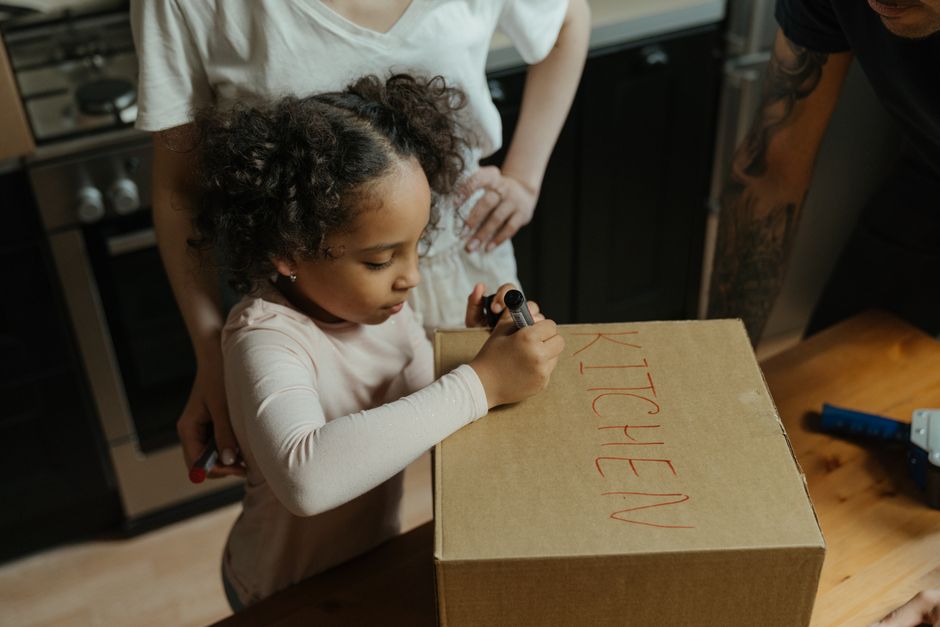
Turn packing into a game by letting children help with nonbreakable items like books or clothes. You can provide them with their own small boxes and let them decorate the outside with markers or stickers. This keeps them busy while you focus on the fragile items, and it gives them a sense of ownership over the belongings they are moving to the new house.
Keep the labels fun
Label boxes with colors or symbols instead of just words to help younger children participate. If a box has a picture of a star on it, they know it belongs in their room. Try our moving cost calculator to ensure you have enough packing supplies to account for these extra child related boxes without exceeding your budget.
Item Type
Packing Strategy
Expected Effort
Favorite Toys
Essentials bag
Low
Books
Child helper boxes
Medium
Electronics
Cushioned storage
High
Bedding
Last in, first out
Medium
How do you survive moving day with kids?
Designate a safe zone
Set up a room in your new home that is fully unpacked and ready for play before the moving truck arrives. While the movers are unloading heavy furniture, keep your children in this dedicated space with their favorite activities. This removes them from the danger of heavy lifting and keeps them away from the stress of moving equipment and open doors.
Hire help or enlist family
If your budget allows, consider having a trusted relative or babysitter stay with the kids during the busiest hours of moving day. You cannot safely watch your children and oversee a professional moving crew at the same time. If childcare is not an option, ensure you have a specific plan for feeding them and keeping them hydrated while you manage the logistics.
Stick to the schedule
Try to keep nap times and meal times as normal as the day allows. While the temptation to ignore the schedule is strong, maintaining routine helps keep kids calm and predictable. A well rested child is much better equipped to handle the emotional toll of moving than a hungry or sleep deprived one.
Be cautious of any mover that demands a full cash deposit before your items are loaded, as this is a classic indicator of a potential scam. Always verify your mover is licensed by checking their credentials through legitimate federal databases before signing any contract.
What should you watch for when hiring movers?
Verify your mover's credentials
Always use tools like Verify a mover's license to ensure your moving company is properly registered for interstate transport. A legitimate mover will never hide their identity or refuse to provide their DOT number. You deserve to know exactly who is handling your belongings, especially when you are responsible for the safety of your family.
Understand liability protection
Interstate movers are required to offer two specific types of liability coverage. The first is Released Value Protection, which is free but only pays 60 cents per pound per item. The second is Full Value Protection, which makes the mover responsible for the actual repair or replacement cost of your goods. Make sure you understand exactly what you are signing for before your items are loaded.
Beware of broker red flags
Companies that arrange your move but do not own the trucks are called brokers. By law, they must disclose their status as a broker rather than a carrier before you book your move. If a company seems hesitant to explain who is actually driving the truck, it is best to look elsewhere to ensure your family's move stays protected. Browse more cost guides to help you compare quotes from reputable carriers.
How far in advance should I tell my kids about the move?
You should talk to your children about the move as soon as the decision is final, usually at least one month before the move occurs. Giving them this lead time allows them to process their feelings and ask questions, which helps reduce the shock of a sudden change in their environment.
How do I keep my kids safe during moving day?
Keep kids in a designated safe room with age appropriate activities while the moving crew is working to prevent injuries from heavy furniture. It is also helpful to have a specific adult responsible for watching the children so you can focus on overseeing the loading or unloading process.
What if my children are struggling with the transition?
It is normal for children to feel anxious, so validate their emotions by listening to their concerns and offering extra comfort. Maintaining their familiar routines for meals and bedtime as quickly as possible once you arrive at the new house will help them feel secure in their new surroundings.
Focus on staying organized and keeping your family routine consistent to ensure a successful move. If you are still in the planning stages, remember to verify your mover's credentials and use a reliable budget tool to keep your finances on track.