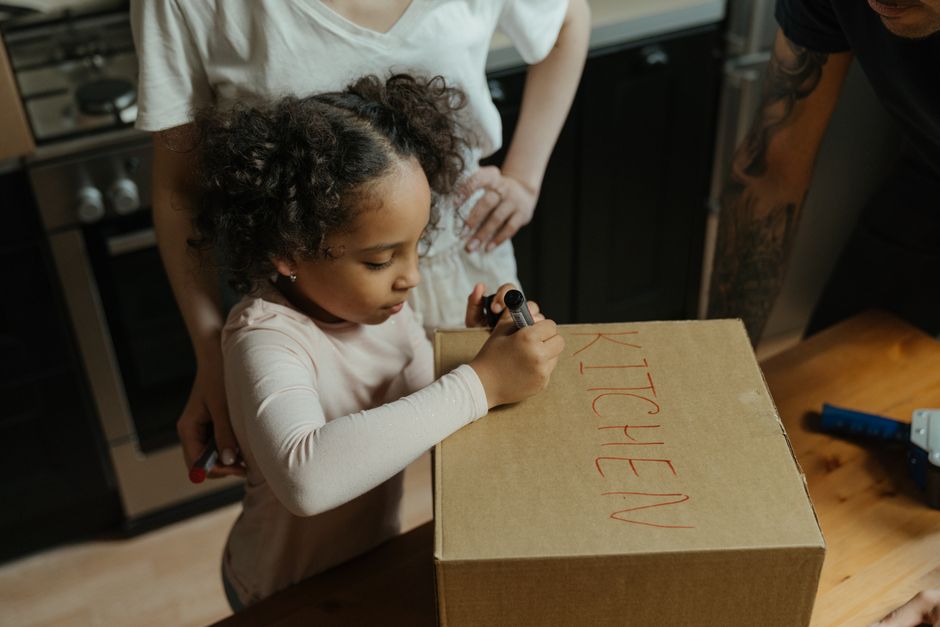
Involve children in the packing process early to reduce anxiety and create a sense of control over the transition.
Prioritize setting up their bedroom first in the new home to establish a familiar comfort zone immediately.
Avoid paying large upfront deposits to movers, as reputable companies typically charge only upon successful delivery.
Moving across the country is stressful enough without the added challenge of managing emotional or restless children. When you look for tips for moving with kids, the focus should always be on maintaining their sense of routine and security during a period of massive change.
Experts often suggest that the biggest mistakes parents make involve shielding kids from the reality of the move. By being honest and communicating the timeline early, you help them process the upcoming departure while giving them space to ask questions or express worries about their new neighborhood or school.
How to prepare kids for a major change
Preparation starts long before the moving truck arrives at your driveway. If you frame the move as an adventure rather than a chore, you set a positive tone for the entire family.
Discuss the move on their level
Toddlers and preschoolers need simple, consistent explanations. Remind them that the entire family is moving together and that their favorite toys and blankets are coming with them to the new place. For teenagers, focus on the details that matter to them, such as how they can stay in touch with friends or what the new area offers for their specific interests.
Create a visual timeline
Children often struggle with abstract concepts of time. Create a simple calendar on the wall and let them cross off the days until the move. This physical representation helps them see the transition as a finite event rather than an endless state of uncertainty.
Visit the new space if possible
If you are moving locally or have the time to travel, take the children to see the new neighborhood. Seeing their potential new school or park can turn a scary unknown into a place they look forward to exploring.
Moving is also a financial commitment that often catches families off guard. You can try our moving cost calculator to understand the potential budget impact of your specific distance and volume of items.
How to handle the packing process
Packing often feels like a never ending mountain of cardboard boxes. It is tempting to shoo the kids away to finish quickly, but including them in the process is a vital part of helping them adjust.
Let them pack a comfort box
Give every child a designated box or bin for their most essential items. This includes their favorite stuffed animal, a few books, and a change of clothes. Ensure this box stays with you in your personal vehicle rather than in the moving truck so it is always accessible.
Turn packing into a game
Encourage younger children to decorate their own moving boxes with markers or stickers. When they feel like they have ownership over their belongings, they are far less likely to feel like their world is being dismantled without their permission.
Maintain a strict bedroom routine
Keep their sleeping arrangements as consistent as possible until the very last moment. Packing their beds or desks days before the move only increases their anxiety about the change.
How to manage moving day safety
The chaos of moving day is a magnet for accidents, especially with kids running around during heavy loading. You need a strategy to keep them occupied and away from the hazards of dolly carts and heavy furniture.
Strategy
Activity Type
Best For
Scheduled Outing
Visit a park or relative
High energy toddlers
Designated Room
Crafts or movie corner
Young school age kids
Packing Helper
Labeling boxes with markers
Older children
Safety Sitter
Hired help or grandparent
Total supervision
Designate a safety zone
Identify one room that is cleared out first and use it as a sanctuary for your children. Keep their electronics, snacks, and toys inside this room so they have a place to retreat while the movers navigate the hallway.
Use professional resources wisely
Before you hire anyone to help, always verify a mover's license to ensure they are a legitimate carrier. Scammers often target families who are too busy managing children to double check business credentials.
A large upfront cash deposit before your belongings are loaded is one of the most common warning signs of a moving scam. Legitimate movers typically do not require full payment until your belongings arrive at the destination.
Keep them fed and hydrated
Moving day is notorious for skipping meals or relying on junk food. Pack a cooler with healthy snacks and water bottles that are easy for kids to grab without your constant supervision.
What movers won't tell you upfront
Moving companies are not necessarily hiding facts, but they often leave out the nuances of how interstate moves work. Understanding the difference between a carrier and a broker is essential to protecting your family.
Brokers vs carriers
A moving broker arranges your move but does not do the physical moving themselves. They must disclose their status as a broker before you book, so ask specifically if they are handling the items or outsourcing the job.
Required disclosures
Interstate movers are legally required to provide you with copies of two federal publications titled Your Rights and Responsibilities When You Move and Ready to Move. If a company fails to provide these documents, consider it a red flag regarding their compliance standards.
The cost of convenience
Many companies offer packing services as an add on. While this costs more, it can save your family a massive amount of stress and time. If you decide to go this route, check our browse more cost guides to see what standard professional packing services usually cost in your region.
Should I tell my children about the move before it is finalized?
It is usually best to wait until the move is confirmed, but share the news as soon as you have a clear plan. Waiting too long can cause children to feel like they are being kept in the dark, which increases anxiety when the reality finally sets in.
How do I handle the transition to a new school?
Reach out to the new school early to schedule a tour or meet with a teacher if possible. Providing your child with a map of the new school and information about after school clubs helps them visualize their future social life.
What if my children have trouble adjusting after we arrive?
Acknowledge their feelings rather than dismissing them, and keep your home routines consistent to provide stability. It takes time for a new house to feel like home, so focus on setting up their rooms early to give them a personal space that belongs only to them.
Managing a move with kids requires planning and patience but does not have to be a nightmare. By prioritizing their emotional needs and verifying your moving company, you create a safer environment for everyone involved. Start your planning today by using our cost calculator or verifying your carrier to keep your family budget and peace of mind intact.