Start talking to your children about the upcoming move at least one month in advance to normalize the change.
Pack an "essentials bag" for each child that includes favorite toys, comfort items, and necessary supplies for the first 48 hours.
Prioritize setting up your children's bedrooms as soon as you arrive to establish a sense of security in the new home.
Moving a household is stressful enough when you are only managing your own belongings, but adding children to the mix changes the entire dynamic. You have to balance the heavy lifting of logistics with the emotional needs of your family during a period of significant transition.
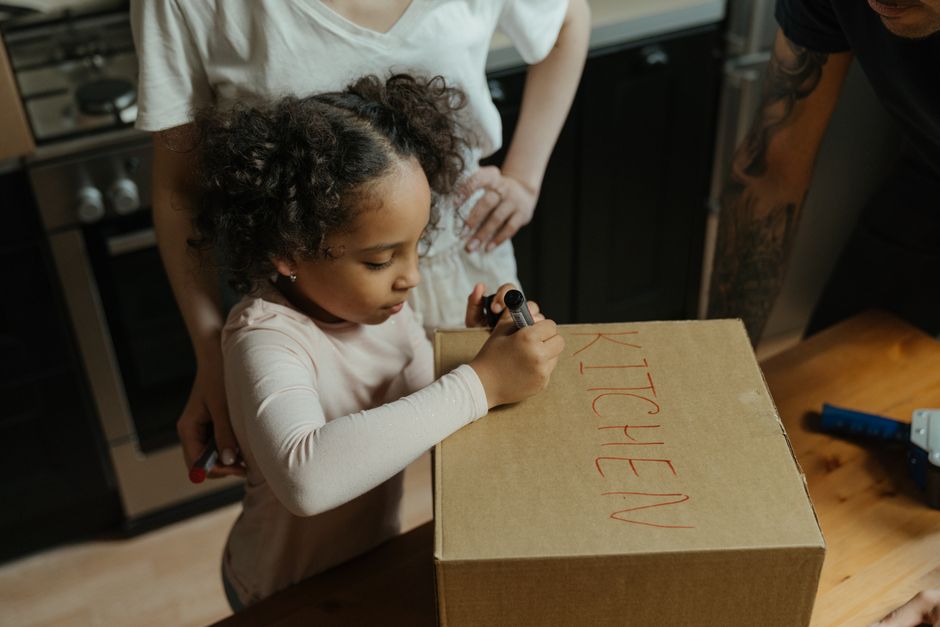
Research shows that children often feel a loss of control during a move because their environment and daily routines are completely upended. You can mitigate this by involving them in small, age appropriate tasks throughout the packing process.
How do you prepare kids for the transition?
Clear communication serves as your best tool for managing expectations. Sit down with your children early to discuss why you are moving and what the new house will be like. Younger kids benefit from simple, consistent messaging about how their favorite toys and blankets are coming along for the ride.
Involving older children in the decision making process gives them a sense of agency that reduces resentment. Let them pick out how to decorate their new room or ask them to help categorize books for donation. By turning the move into a team effort, you move away from them feeling like passive observers of a chaotic event.
The emotional side of leaving
Saying goodbye to a home is a major milestone for children. Visit your old neighborhood landmarks one last time to provide closure. You might even consider taking photos or videos of their current rooms to help them process the memories attached to those spaces.
How to manage packing with kids around
Packing is the most labor intensive part of any relocation, and it requires strategy when kids are present. The most efficient approach involves designating one room as a play zone that remains untouched until the final day. This keeps their toys accessible and maintains a sense of normalcy in the middle of a house full of cardboard boxes.
When you pack, focus on labeling boxes clearly so you can find essential items without digging through the entire stack. Use the following table to help organize your supplies and packing schedule based on the needs of your family members.
Timeline
Task
Estimated Effort
4 Weeks Out
Declutter toys and clothes with kids
Low to Moderate
2 Weeks Out
Pack non-essential items and books
Moderate
1 Week Out
Assemble essentials bag for kids
Low
Moving Day
Final pack of beds and bedding
High
Keeping kids occupied during the chaos
Create a designated "go-bag" for each child that acts as their personal headquarters during the move. This bag should house snacks, electronics, comfort items, and a change of clothes. If you plan to move across state lines, you can try our moving cost calculator to budget for additional expenses like extra hotel nights or snacks that keep the family happy on the road.
What are the safety rules for moving day?
Safety is the absolute priority when heavy furniture and moving trucks are involved. Establish clear boundaries around the loading area and keep children supervised in a separate room or at a relative's house if the space is too small. If you hire professional movers, verify their credentials through the FMCSA database to ensure you are working with a company that follows federal safety regulations.
Before your move, an interstate mover is required to give you copies of two FMCSA publications: 'Your Rights and Responsibilities When You Move' and 'Ready to Move.'
Protecting your children from moving stress
Physical safety is one thing, but emotional safety matters just as much. Try to keep your own stress levels in check because children pick up on your anxiety. When you remain calm, they are far more likely to approach the move with curiosity rather than fear.
How to help kids settle into a new home
The first few days in a new house can feel cold and unfamiliar. Focus on setting up the bedrooms first because a familiar bed helps children sleep better during the adjustment period. If they have a favorite rug or wall art, put it up immediately to make the space feel like home.
Maintaining your old routines is the best way to anchor your family after the move. Try to stick to the same dinner times and bedtime rituals you used in your previous home. You can browse more cost guides to help plan for settling-in costs, such as new furniture or organizing services, if you find your new space requires a different configuration.
It is usually better to have children stay with a friend or family member during the most active part of the move. This keeps them out of the way of heavy equipment and away from the noise and stress of the loading process.
How do I handle a long distance move with kids?
A long distance move requires more frequent stops and careful planning of your travel route. Focus on keeping the travel schedule flexible to accommodate breaks for physical activity and meals.
When is the best time to move with children?
Moving during a school break or over the summer helps children transition without the added pressure of academics. This timing allows them to settle into their new surroundings before the structure of a new school term begins.
Success in moving with kids relies on balancing practical preparation with empathy for your children. Keep their comfort in mind, prioritize their safety, and do not hesitate to ask for help when the workload becomes too much to handle alone.