Start talking to your children about the move at least 4 to 6 weeks before your departure date to reduce anxiety.
Pack an essential bag for each child containing snacks, familiar toys, and devices to keep them occupied during travel.
Always verify your moving company using their USDOT and MC numbers through the official FMCSA database before signing any contract.
Moving your family to a new home is one of the most stressful life events you can navigate. Adding children to the mix requires a shift from focusing solely on logistics to balancing the emotional needs of your household. You need a strategy that keeps routines intact while ensuring your belongings arrive safely at your new front door.
Most successful family moves rely on early preparation rather than last minute scrambles. You should aim to involve your kids in the process while maintaining a clear boundary between your adult responsibilities and their play time. By planning your moving timeline around their needs, you turn a chaotic event into a manageable transition.
How do you prepare children for a big move?
Communication is your most important tool when preparing for a relocation. Toddlers and younger children often fear the unknown, so explain the move in simple terms that emphasize the family staying together. You might show them photos of the new house or the local park to build excitement about the change.
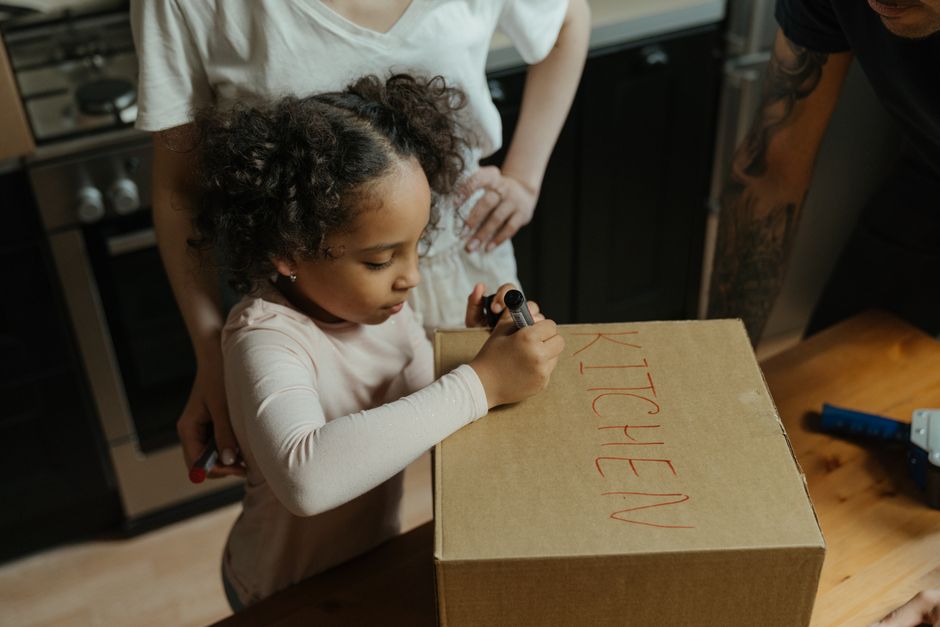
Older children and teenagers often worry about leaving friends and extracurricular activities behind. Acknowledge these feelings instead of brushing them off as minor concerns. Validate their sadness or frustration by giving them a specific task to manage, such as labeling boxes for their room or deciding where their furniture will fit in the new space.
Establishing new routines
Children thrive on predictability. Try to keep meal times and bedtime rituals consistent even when your house is filled with packing supplies. If you disrupt their environment too much, expect an increase in challenging behavior or emotional outbursts.
Creating a memory record
Some families find comfort in saying goodbye to their old home. You can take a final walk through each room, letting the kids share memories about what happened in each space. Taking photos or recording a short video can help them process the transition by acknowledging that the past stays with them even if the house changes.
The logistics of your move are just as important as the emotional prep, so you should ensure your hired help is reliable. Verify a mover's license to protect your family from predatory operators who might hold your goods hostage or provide low quality service.
What are the best logistics for moving day?
Your primary goal on moving day is keeping the children safe and occupied while the heavy lifting happens. Movers are moving large, heavy items through narrow hallways, which can be dangerous for active kids. Designate a safe zone or a specific room that is off limits to movers where your kids can play with their favorite items.
If you have very young children, consider hiring a babysitter or asking a family friend to watch them for the day. This allows you to focus on managing the inventory and directing the moving crew. You can try our moving cost calculator to see how professional packing services might lighten your load if you are overwhelmed by the physical labor.
Child Age Group
Best Strategy
Expected Challenge
Toddlers
Babysitter or safe zone
Disruption of nap time
School Age
Involvement in small tasks
Difficulty saying goodbye
Teenagers
Input on room setup
Loss of social connection
All Ages
Comfort bag in car
Change in daily routine
Keep your child's essential items in your personal vehicle. Do not pack their favorite stuffed animal, tablet, or comfort blanket in the moving truck. If a delay occurs during transit, having these items with you prevents a total meltdown at the new destination.
What should you know about moving rights?
Legal protections exist to ensure you are treated fairly during your interstate move. You have a right to receive a copy of 'Your Rights and Responsibilities When You Move' and 'Ready to Move' from your carrier. Reading these documents helps you identify warning signs of a scam or unethical business practices.
Under a binding estimate, you pay exactly the quoted price at delivery, regardless of the shipment's actual weight, unless you add services after signing.
Always ensure you understand the terms of your contract before the truck pulls away. A legitimate mover will never demand payment in cash before delivery or refuse to provide an estimate in writing. You can browse more cost guides to see typical price ranges for different move sizes so you know if a quote seems suspiciously low.
Avoiding moving scams
Shady operators often target families because they know moving is a high stress time. If a company does not have a valid USDOT number or refuses to provide one, do not hire them. Check the FMCSA database to confirm their credentials before you pay any deposit.
Documenting your inventory
Keep a detailed list of all items packed for the move. You should personally inspect your items as they are unloaded at the new house. Mark any damaged boxes on the paperwork before the driver leaves the premises to ensure you have a record for any future claims.
How far in advance should I tell my kids we are moving?
You should aim to share the news about four to six weeks before the move date. This timeframe gives children enough time to process the information without letting them obsess over the change for too long. If you tell them too far in advance, they may struggle with the long wait and the uncertainty.
What items should stay with me instead of on the truck?
Keep all essential items like medications, comfort objects, spare clothes, and electronics in your own vehicle. You should also keep important documents, passports, and school records with you to avoid any potential loss during the transit process. This ensures that even if the truck is delayed, your children have the familiar items they need to stay settled.
How do I keep kids safe when the movers arrive?
The safest approach is keeping children in a quiet, closed off room or away from the house entirely during the loading process. Movers are focused on speed and weight, which creates blind spots that are dangerous for running kids. Designating a supervised play area allows you to oversee the work while keeping your children secure and out of the path of heavy furniture.
Your move can be a positive experience if you focus on keeping the family unit stable throughout the chaos of packing and transit. Prioritize clear communication with your children and verify your moving company thoroughly to prevent avoidable stress. You can move forward with confidence by using the resources above to confirm your movers are legitimate and ready for the job.