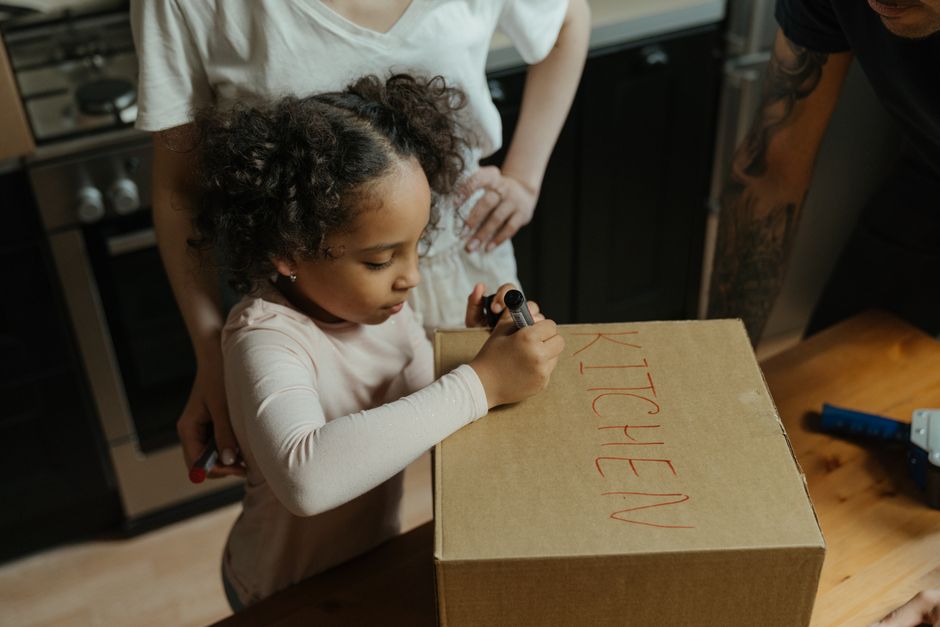
Involve your children in the process early to reduce anxiety and create a sense of control during the transition.
Prioritize setting up bedrooms first at the new destination to provide an immediate sense of stability for your kids.
Always verify your moving company using a DOT license check to avoid common industry scams.
Moving your entire household is rarely simple, but doing it with children adds a layer of complexity that goes beyond just boxes and bubble wrap. Research shows that children as young as toddlers thrive on routine, so any major change can trigger anxiety or behavioral shifts. Preparing for a move involves more than just logistics. It requires emotional planning and a deliberate strategy to keep the experience positive for the youngest members of your family.
You can manage this transition by treating your kids like active participants rather than observers. When you explain the "why" and "how" of the relocation in age-appropriate terms, you minimize the fear of the unknown. Many families find that dedicating specific time to say goodbye to their old neighborhood helps create a healthy sense of closure before starting fresh in a new home.
How to prepare your children for the upcoming move
Communication is your most effective tool for lowering stress levels. Start conversations about the move as soon as your plans are firm. For toddlers and preschoolers, keep the explanation simple and focus on the constants. Remind them that their toys, beds, and favorite blankets are moving with them to the new house. This reinforces the idea that their physical comfort remains secure regardless of the address change.
School-aged children often worry about friends and routines. Validate these feelings rather than dismissing them as temporary. Allow them to pack a "survival box" of their most important items, such as books, games, or comfort objects, which they can keep with them during the trip. Giving them a sense of ownership over these items provides a much needed sense of agency when everything else feels out of control.
Making the goodbye process meaningful
One effective strategy involves creating a memory book or recording videos of your children in their current rooms. Walk through the home and talk about specific milestones that happened in each space. This creates a positive narrative around the move and helps children process their emotions before the heavy lifting begins. You might even plan a final visit to a favorite local park or ice cream shop to bookend the experience.
Setting clear expectations for the moving process
Avoid the mistake of waiting until the last minute to involve your kids. Explain the sequence of events so they know exactly when boxes will appear and when the house will begin to look different. If they understand that a cluttered house is just a temporary phase of the move, they are less likely to feel overwhelmed by the sudden lack of space.
What are the real logistical costs of moving a family?
Budgeting for a move requires honesty about the hidden fees that often pop up during transit. Whether you hire full service movers or opt for a DIY container service, your total bill often hinges on the weight of your goods and the distance of your trip. Moving costs for a standard three bedroom home can range from $3,000 to $8,000 for interstate travel depending on the distance and service level.
Moving Method
Average Cost Range
Best For
Professional Full Service
$4,000 to $10,000+
Busy families wanting hands off support
Moving Containers
$2,500 to $6,000
Families with flexible timelines
Self Drive Truck Rental
$1,500 to $4,000
Families aiming for the lowest price point
Hybrid (Labor Only)
$1,000 to $3,000
Families who pack but need heavy lifting
When you compare these options, consider how much physical energy you have left after managing your children. A moving cost calculator can help you compare these estimates more effectively. Remember that moving company quotes often change, so understand your rights before signing any documents.
Protecting your budget with rights and responsibilities
You have legal rights during an interstate move that many families unfortunately overlook. For instance, you have the right to be present when your shipment is weighed and you can request a reweigh if you suspect the recorded weight is inaccurate. Furthermore, your mover must provide you with official FMCSA publications that outline your protections.
Under a non-binding estimate, a mover cannot require you to pay more than 110 percent of the estimated amount at delivery. Any remaining balance can be billed later, typically within 30 days.
Understanding the impact of travel distance
Long distance moves inherently cost more because they factor in fuel, driver time, and vehicle maintenance. If you are moving across state lines, the distance is the primary driver of your invoice. Always verify that your chosen mover is licensed by checking their credentials before you pay a deposit. You can browse more cost guides to ensure you are paying market rates for your specific route.
How to keep kids happy and safe during moving day
Moving day is usually chaotic, noisy, and stressful. If you have young children, the best advice is to keep them out of the house during the loading process. Ask a friend or family member to take them to a park, a movie, or a grandparent's house for the day. If childcare is not an option, create a "safe zone" in a room that has already been emptied of all large items and is strictly off limits to movers.
Equipping the kids for a long travel day
If you are driving to your new home, pack an entertainment kit for the road. Include tablets, coloring books, audiobooks, and plenty of snacks that do not require refrigeration. A well prepared travel bag keeps frustration at bay when you are stuck in traffic or dealing with unexpected delays. Consistency with meal times and nap times can also prevent major meltdowns during the journey.
Establishing a new routine at your destination
Upon arrival, prioritize setting up the kids' bedrooms before you worry about the kitchen or living room. A familiar bed and a few favorite toys can make an unfamiliar space feel like home almost instantly. Take time to unpack their belongings first to give them a sense of security in the new environment. Establish a clear "first night" routine to help them settle into the new space comfortably.
How far in advance should I tell my kids about the move?
You should talk to your children as soon as you have a concrete timeline for the relocation. Giving them several weeks to process the news allows them to ask questions and express feelings of sadness or excitement. Early communication helps them feel like they are part of the family team rather than just passengers in the process.
Is it better to let kids pack their own belongings?
Yes, allowing children to pack their own "special box" gives them a sense of control and independence. Focus on letting them choose which toys or books are most important to them while you handle the heavy or breakable items. This activity keeps them occupied and helps them feel included in the important work of moving.
What if my child experiences a regression in behavior after the move?
It is normal for children to exhibit signs of stress or behavioral regression after a major life change. Offer extra patience, stick to your established bedtime routines, and provide plenty of reassurance that they are safe in the new home. Usually, children adapt to their new environment within a few weeks as they form new friendships and establish local routines.
Managing a household relocation is a marathon rather than a sprint. Focus on the emotional needs of your children while using verified tools to protect your family from moving industry pitfalls. Start your planning today by using our resources to ensure you have a clear picture of what to expect.