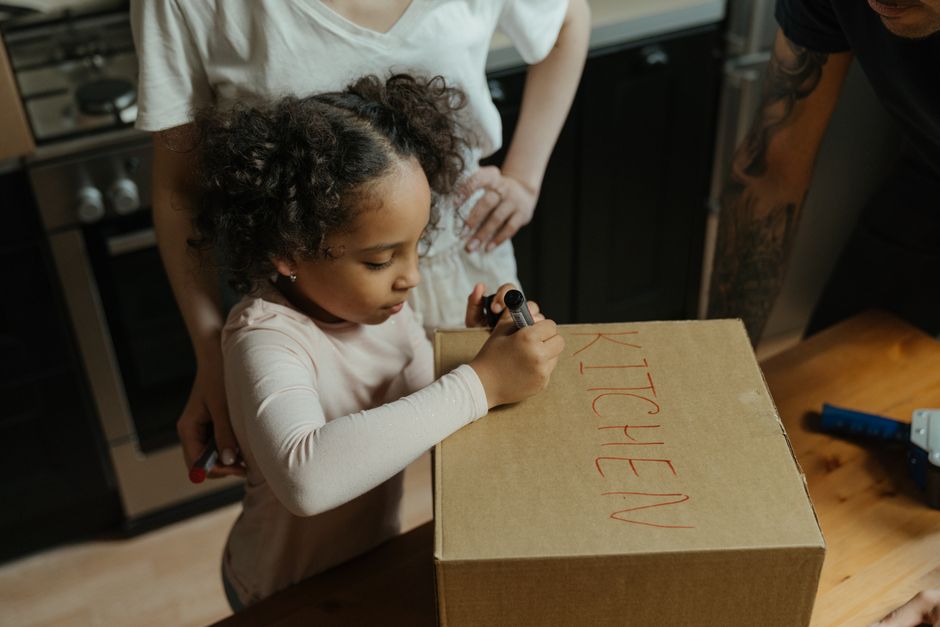
Involve children in the process by letting them pack a special "first night" box with their favorite items.
Establish a routine immediately at your new destination by setting up the bedrooms before tackling the rest of the house.
Communicate the move early and honestly to allow children time to process the transition and express their feelings.
Moving your entire life across state lines is hard enough on its own. When you add children into the mix, the logistics become significantly more complex because you are managing their emotions alongside a mountain of boxes.
You need a strategy that prioritizes their stability while you coordinate the heavy lifting. The most successful family moves focus on communication and maintaining as much normalcy as possible during a time of major change.
How do you prepare kids for a big move?
Start the conversation as soon as the decision is final. Children thrive on knowing what to expect, and keeping them in the dark often creates unnecessary anxiety. Use simple language that emphasizes the family unit stays together no matter where you live.
For toddlers, focus on the positive aspects of the new space. Mention their new room or a nearby park. Teenagers will need more concrete information about schools, internet access, and how they will stay connected to their existing friend groups.
Setting expectations early
Do not wait until the last minute to mention the move. Giving them time to adjust to the idea allows for questions and meaningful conversations. You might even want to visit the new neighborhood if the distance allows for a day trip.
The power of a goodbye
Create a ritual for saying goodbye to your old home. You could take photos in every room or have the kids draw pictures of their favorite memories. Recording a quick video of them talking about their rooms helps them process the transition before you hand over the keys.
If you are feeling overwhelmed by the logistics, you can try our moving cost calculator to see how professional help might free up your time for family activities.
How can you keep kids engaged during the move?
Packing is often the most chaotic phase of any relocation. Instead of shooing the kids away, give them age appropriate tasks that make them feel like part of the team. Let them decorate their own boxes with markers or stickers.
This level of involvement gives them a sense of control. You might even let them decide which toys get packed and which ones stay out for play until the very last minute.
Your first night box strategy
Designate a specific container as the "first night box" for each child. This should contain their favorite stuffed animal, pajamas, a book, and other comfort items they need for the first night in a new place. Keep these boxes in your personal vehicle so they are the first things available upon arrival.
Tracking the timeline
Use a visual calendar to count down the days until the move. This keeps the timeline clear and helps them understand that the disruption to their routine is temporary. When they can see the date on a wall, it makes the process feel much more manageable.
| Moving Task | Recommended Timeline | Who Handles It |
| :--- | :--- | :--- |
| School Records Transfer | 6 to 8 weeks out | Parents |
| Decluttering & Packing | 4 to 6 weeks out | Entire Family |
| Utility Setup New Home | 2 to 3 weeks out | Parents |
| First Night Box Pack | 1 day before move | Kids & Parents |
What should you know about hiring help for a move?
Many families opt for professional movers to handle the heavy lifting while they focus on the kids. However, not all moving companies operate the same way. You must distinguish between a carrier and a broker.
A carrier does the physical work, while a broker only arranges the move. Always ask if they are a broker, as they are legally required to disclose this to you upfront. Before you book any company, you should verify a mover's license to ensure they are legitimate.
You have the right to be present when your shipment is weighed, and to request a reweigh if you have concerns about the recorded weight. All interstate household goods movers are also legally required to participate in an arbitration program to resolve disputes.
Understanding your rights
Professional movers have specific responsibilities when moving your household goods. You should feel comfortable asking about their insurance policies and their process for handling damaged items. Knowing that your belongings are protected helps lower your stress levels during the transition.
You can browse more cost guides to help build your moving budget and determine if full service packing is right for your family. Understanding these costs upfront prevents billing surprises once the truck is loaded.
How do you make the new home feel like home?
The goal after arriving at your new residence is to recreate the familiar atmosphere your children are used to. Focus on setting up the bedrooms first because a familiar bed and nightlight can make the first night in a new location much less intimidating.
Keep your daily routines as similar to the old house as possible. If you always have a specific family movie night or a weekend park visit, try to continue those traditions immediately. This provides a sense of continuity that helps children adjust to their new surroundings.
Creating familiar play spaces
If you had a dedicated playroom or a specific corner for crafts, try to set up a similar space in the new house. Even if the room layout is different, keeping the same toys or rugs in the same arrangement offers a visual connection to their previous home.
Checking in on their progress
Spend one on one time with each child as they explore the new area. Some kids adapt in a few days, while others might take several weeks to feel settled. Patience is your most important tool during this adjustment period.
Is it better to hire professional movers or move by yourself with kids?
Hiring pros usually allows you to focus your attention on your children instead of navigating a moving truck. If your budget allows, the extra help often results in a significantly lower stress level for the whole family during a long distance move.
What if my children are struggling with the transition?
It is normal for children to exhibit signs of stress or behavioral changes when moving. Maintain their established routines, offer extra reassurance, and look for community activities to help them make new friends quickly.
How do I handle school transfers for a long distance move?
Contact your new school district as soon as you have a confirmed address to understand their specific enrollment requirements. Most districts require medical records and proof of residency, so gather these documents in a single folder well before you depart.
Moving remains one of life’s biggest stressors, but you can maintain control by sticking to a clear plan and keeping your children involved. Use these resources to research your options and make the smartest choice for your family.