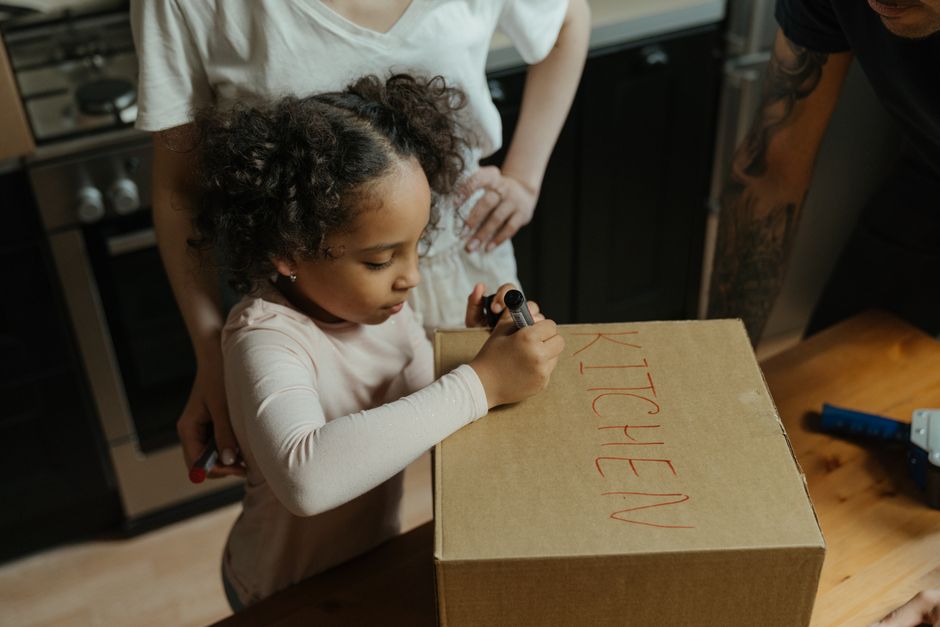
Explain the move to your children early, using age-appropriate language to reduce uncertainty.
Pack a dedicated essentials box for the first night, including favorite toys, comfort items, and necessary medications.
Prioritize setting up their bedrooms or play areas first upon arrival to establish an immediate sense of home.
Moving across town or state lines feels like a massive project when you are the lead parent. You have to juggle logistics, packing, and the emotional needs of your children. The best tips for moving with kids center on clear communication and maintaining a semblance of their normal routine.
Research shows that anxiety often stems from the unknown. You can mitigate this by involving them in the process early. Small tasks help them feel like active participants rather than observers of a chaotic change.
How do you prepare your children for the move?
Start the conversation as soon as the move becomes official. Toddlers and preschoolers need simple, reassuring language. Tell them the entire family is moving together so they understand nobody is being left behind. You can even visit the new neighborhood if you live nearby to make the location feel real.
Older children might have more complex feelings. Listen to their concerns about leaving friends or school. Acknowledge their sadness instead of trying to brush it aside. Validating those feelings helps them process the transition faster.
Managing their expectations early
Create a visual countdown or a project board for older kids. This transforms an abstract concept into something they can track. When kids see the timeline, they feel more in control of their own transition.
Saying goodbye to the old home
Take time to walk through every room before you hand over the keys. Share memories, laugh about funny moments, and let them say goodbye to the space. You might even take photos or a quick video of them in their old rooms to preserve those memories for the future.
How much should you budget for a family move?
Your total cost depends on the distance, the size of your home, and whether you choose full service or self packing. Expenses often fluctuate based on seasonal demand and the specific services requested. You should always obtain multiple quotes to compare rates effectively.
Move Distance
Estimated Range
Primary Cost Factors
Local Move
$800 to $2,500
Hourly rates plus labor
Short Interstate
$2,500 to $5,000
Weight of items and distance
Long Distance
$4,500 to $10,000+
Weight, distance, and insurance
Full Service Packing
$500 to $1,500 extra
Volume of belongings to pack
Check out our moving cost calculator to get a clearer picture of your specific move. Keep in mind that hidden costs often include utility deposits, cleaning fees, and temporary childcare during the actual move day.
Understanding your estimate types
Movers provide either binding or non binding estimates. Under a binding estimate, you pay the exact quoted price at delivery unless you change the scope of work. With a non binding estimate, the company cannot force you to pay more than 110 percent of the original estimate at delivery.
Verifying your moving company
Federal law mandates that every legitimate interstate mover holds a USDOT number and an MC number. You must verify a mover's license before you sign any contract or pay a deposit. Never work with a company that refuses to provide these credentials or uses high pressure sales tactics.
Always read the fine print regarding valuation coverage. Standard liability from movers is often limited to pennies per pound, which is rarely enough to cover your family's personal belongings if something breaks.
What are the best strategies for moving day?
The physical act of moving requires focus, which is why having the kids occupied is vital. If possible, arrange for a babysitter or a family member to supervise them at a friend's house. If they must be there, give them a specific "moving day kit" filled with coloring books, snacks, and a tablet.
Packing the essentials box
Pack a clear bin or suitcase that travels with you in your car. This should hold pajamas, toothbrushes, favorite blankets, and essential medications. You do not want to spend hours searching through unmarked boxes just to find a teddy bear at midnight.
Setting up their space first
Designate one area of the new home as the kids' safe zone. Setting up their bedroom or playroom first gives them a anchor point in the new environment. It helps them feel settled even while the rest of the house remains in disarray.
How do you help kids adjust to the new home?
Transitioning to a new school and social circle is the hardest part. Prioritize finding familiar activities, such as local parks or sports, that mirror what they enjoyed previously. Routines act as an emotional stabilizer during the weeks following your arrival.
Staying consistent with schedules
Bedtimes and meal times should remain as close to the previous schedule as possible. Even if the house is full of boxes, keep the rhythm of the day consistent. Predictability reduces the stress of a changing environment.
Exploring the new area together
Take family outings to explore the local library, ice cream shops, or playgrounds. Create positive associations with the new location by making the first few weeks feel like an adventure. Let them have a say in how to decorate their new space to foster a sense of ownership.
Should I involve my kids in the actual packing process?
Yes, giving children age appropriate tasks like packing their own toy box can help them feel involved. It makes the transition less mysterious and allows them to practice letting go of things they might not need anymore.
How do I handle the stress of moving with a toddler?
Focus on keeping their naps and feeding times consistent above all else. Bring their familiar bedsheets or stuffed animals to the new place immediately to provide comfort and scent familiarity.
Is it better to move during the school year or summer?
Summer moves are often easier because they allow for an adjustment period before the academic pressure of a new school begins. However, moving during the school year can sometimes provide an immediate social outlet through classmates.
Planning your move requires attention to detail, but you do not have to do it alone. Use our browse more cost guides to plan your budget and verify your chosen movers. Taking these steps early will make the big day significantly easier for your entire family.