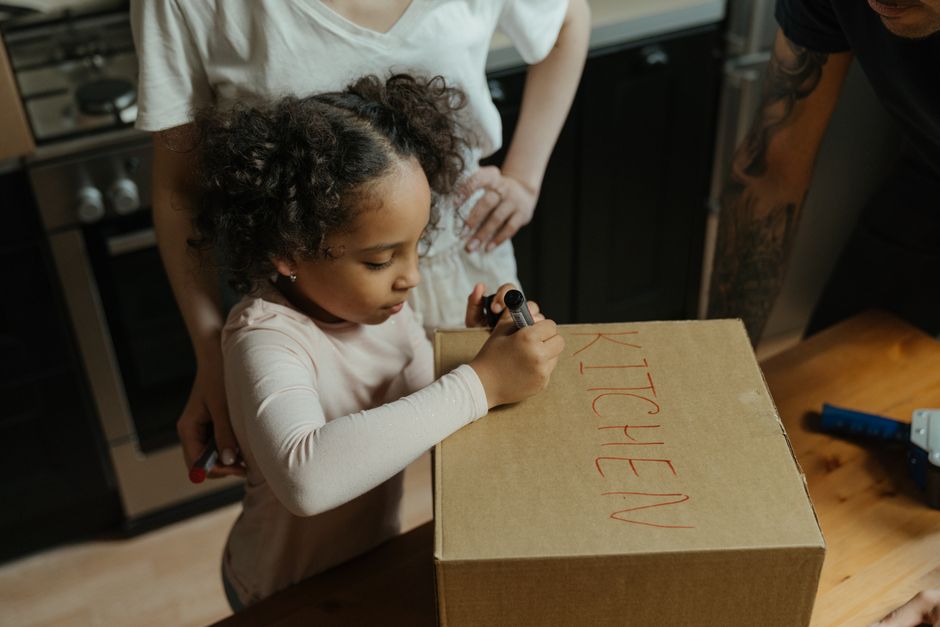
Involve children in the packing process early to reduce anxiety and increase their sense of control.
Prioritize setting up your children's bedrooms and play areas first in the new home to maintain a sense of stability.
Always verify your mover's credentials before booking to ensure your household goods remain protected during transit.
Moving across state lines with a family is often cited as one of the most stressful life events. You are managing thousands of logistical details while trying to shield your children from the inherent chaos of packing and travel. Practicality is your best tool when you are looking for effective tips for moving with kids.
Success requires balancing your own task list with the emotional needs of your family. You do not have to handle the entire transition alone, but you must be the steady hand that guides the process. A calm parent usually leads to calm children, even when the boxes are piling up around you.
How can you organize a long distance move with a family?
The sheer volume of tasks involved in an interstate move often creates a mental fog that makes it hard to focus. Most parents find that a project management approach prevents them from missing key deadlines. You should treat the move like a professional project rather than a series of chores.
Use digital tools to track tasks
Using a project management tool allows you to assign dates to specific moving tasks. You can keep documents, notes, and links in one central place. This stops the whirl of to-do items from dominating your thoughts. Linking these tasks directly to your digital calendar ensures you never miss a deadline for school transfers or utility setups.
Communicate early and often
Talk to your children about the upcoming move as soon as the plans are set. Young children rely heavily on their daily routines, so explaining the change early helps them process the shift. Use simple language to explain that the whole family is moving together to a new home. Reassurance is more important than specific logistical details during these early conversations.
Record memories of the old home
Before the house is empty, take the time to walk through each room with your children. Allow them to share memories about where they learned to walk or played with their favorite toys. Recording a simple video of them talking about their rooms can help them feel like they are honoring the past before moving into a new chapter.
How do you manage the packing phase without added stress?
Packing is often the most visible point of frustration during a move. You need to keep children engaged without letting them become overwhelmed by the sheer number of boxes. Giving them small, age-appropriate tasks helps them feel like active participants in the journey.
Involve kids in the process
Let your children pack their own special box of toys or books that will travel with them. This ensures they have familiar items available as soon as you arrive at the new location. Keeping these items in a "first night" bag or box prevents the panic of searching through dozens of cartons for a favorite stuffed animal at bedtime.
Create a familiar space first
Focus on setting up the children's bedrooms and a small play area immediately upon arrival. This provides a safe harbor for them while the rest of the house remains in boxes. Maintaining familiar play items in a designated zone helps ground them in the new environment while you focus on the kitchen or living room.
Understanding moving costs
Budgeting for a professional move is a major component of your planning. Costs fluctuate based on weight, distance, and the time of year you choose to travel. Always compare quotes to get a realistic view of your expected expenses.
Service Type
Distance
Estimated Timeline
Key Factor
Local Move
Under 100 miles
1 to 2 days
Hourly rates
Statewide Move
100 to 500 miles
2 to 4 days
Weight and volume
Interstate Move
Over 500 miles
4 to 10 days
Total weight
Full Service Pack
Varies
Add 1 to 2 days
Labor intensity
You can try our moving cost calculator to get a baseline for your family relocation. Using these tools helps you avoid surprises when the final invoice arrives.
What are your rights when working with interstate movers?
Many families mistakenly believe they have no recourse if a move goes wrong. You have specific federal protections that every interstate mover must follow. Knowing these rights protects your family and your belongings throughout the transition.
Verify your mover's credentials
Never hire a company without first checking their legal status. You can verify a mover's license through federal databases to ensure they are registered for interstate commerce. Companies that refuse to provide their USDOT number should be avoided entirely.
All interstate household goods movers are legally required to participate in an arbitration program to resolve disputes over loss, damage, or disputed charges, and must summarize this program in writing before you sign the bill of lading.
Know your weighing rights
You have the right to be present when your shipment is weighed. If you suspect an error, you can request a reweighing of the truck to ensure the billing matches the actual weight of your goods. Never waive this right if you have concerns about the accuracy of the weight reported by the moving crew.
Read the mandatory publications
Your mover is legally required to provide you with two specific publications before the move begins. These documents, titled "Your Rights and Responsibilities When You Move" and "Ready to Move," outline the essential safety and consumer regulations for your protection. If a company fails to provide these, it is a clear sign to look for a different provider.
What is the best way to help children adjust after moving?
The move does not end when the truck pulls away. Transitioning to a new city requires patience as your family builds a new rhythm. Helping your children find their footing is just as important as unpacking the last box in the pantry.
Establish new routines quickly
Recreating familiar schedules helps children regain a sense of security after the disruption of a move. Try to keep meal times and bedtimes consistent with your previous schedule as much as possible. Even small habits like reading a book together every night go a long way in normalizing the new home.
Explore the community
Find local parks, libraries, or playgrounds within the first week of your arrival. Taking your children to familiar types of places helps them realize the new area has enjoyable features. Meeting neighbors or other parents at these local spots can also help your children begin to build new social connections.
Seek professional resources
If your children show significant distress, do not hesitate to reach out to local schools or child counselors for support. Many families find that talking to a professional provides effective strategies for coping with the stress of a major relocation. You can browse more cost guides to help manage the financial side while you focus on your family's emotional wellbeing.
Assigning them small, fun tasks or setting up a dedicated "kids zone" with their favorite toys often keeps them engaged. Try to maintain their normal nap and meal schedule to prevent fatigue from making the transition harder for everyone.
When should I start telling my children about the move?
Start the conversation as soon as your plans are firm to avoid any sudden surprises. Tailor your explanation to their age by focusing on the excitement of the new home and reassuring them that the whole family is going together.
What should I keep with me during the move instead of packing it?
Pack a suitcase with essential items like favorite blankets, toys, snacks, and medications that stay with you in your vehicle. This ensures your children have their comforts available during travel and on the first night in your new home.
The most effective way to minimize stress is to prepare early and keep your children involved in the process. Remember to verify your mover's license and keep your mandatory rights documents handy before the moving truck arrives.