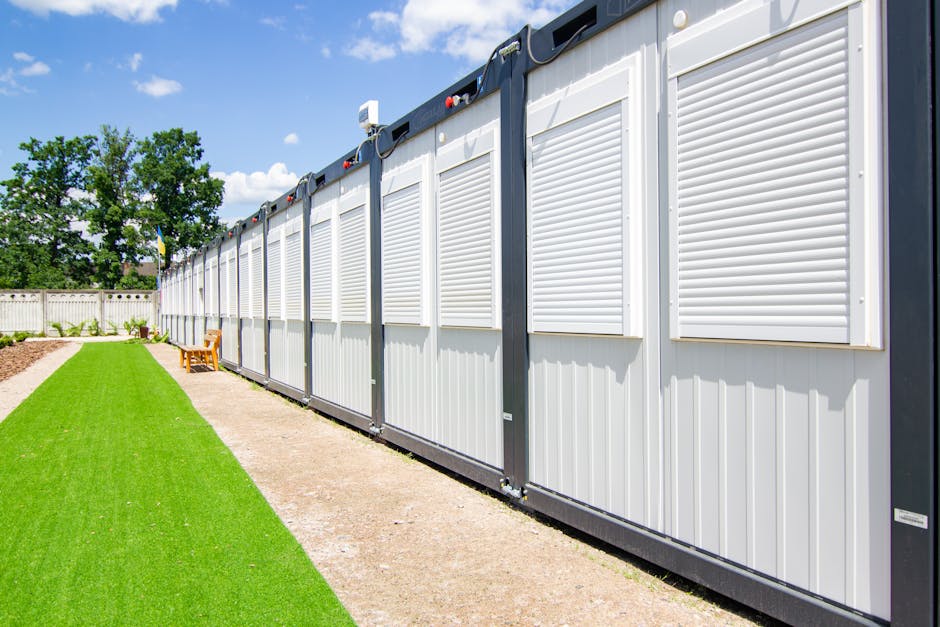
A portable storage container for a long distance move typically costs between $2,000 and $5,000 depending on distance and size.
You pack the container at your own pace, and a professional driver handles the transport to your new home.
Always check if your neighborhood or local HOA allows for street parking or driveway placement of large metal containers.
Most people assume hiring a full service moving crew is the only way to get across the country. The truth is that using a portable storage container often saves you thousands while giving you complete control over your timeline. You get the container delivered to your driveway, you load it up, and then a truck hauls it to your new destination.
It is a hybrid approach that sits right between renting a massive truck and paying movers to do everything. You skip the stress of driving a rented rig through mountain passes or narrow city streets. Here is why this matters for your budget and your sanity.
How much does a portable storage container cost
Pricing for this service shifts significantly based on the distance of your move and the volume of your belongings. A local move might set you back as little as $800, but a cross country relocation usually runs between $2,000 and $5,000. These quotes generally cover the delivery, the transport, and the final pickup of the empty unit.
You need to watch out for hidden fees that can bloat your final invoice. Some companies charge a separate rental fee for the container per month in addition to the transportation costs. Ask specifically about fuel surcharges and whether a long distance move includes the cost of liability coverage.
Distance
Average Price Range
Timeline
Local (Under 100 miles)
$800 to $1,500
1 to 3 days
Mid Distance (500 miles)
$1,800 to $3,000
5 to 7 days
Long Distance (1,500+ miles)
$3,000 to $5,500
10 to 14 days
Cross Country (2,500+ miles)
$4,500 to $7,000+
14 to 21 days
If you are just beginning to crunch numbers, try our moving cost calculator to see how your specific route affects these estimates. Remember that volume matters as much as weight in this industry. A larger container holds more, but it also carries a higher base rate for transport.
What are the hidden risks of container moving
The biggest trap people fall into is assuming their home insurance covers the items inside the container during transit. That is rarely the case. Most portable storage companies offer their own insurance packages, but you must read the fine print before signing.
Under federal law for interstate moves, every mover must offer two liability options. Released Value Protection is free but only covers items at 60 cents per pound. Full Value Protection makes the mover liable for the actual replacement value of your items, though this usually costs extra.
If you are moving across state lines, you should always verify a mover's license to ensure they are legitimate. Unlicensed carriers might offer cheaper quotes, but they often lack the insurance coverage required to protect your belongings if something goes wrong on the road. Do not sacrifice your peace of mind for a slightly lower price tag.
How to plan your container loading day
Efficiency is the secret to a successful container move. You are responsible for the labor, so pack everything as if the container is going to be tossed in a dryer. Use high quality moving blankets and ratchet straps to secure your furniture against the interior walls.
Start by loading the heaviest items first, like appliances and large tables, to keep the weight balanced. Use smaller boxes to fill in the gaps and keep things from shifting. If you have an odd space at the end, use soft items like bedding or cushions to brace the load.
If you find yourself overwhelmed, consider hiring local labor for just a few hours to help with the heavy lifting. Many professional moving companies will send a crew to load a container even if they are not the ones driving it to your new home. This keeps your costs lower than a full service move while preventing back injuries during the packing process. You can browse more cost guides to see how hiring day labor affects your overall budget.
What movers won't tell you upfront
Many companies will focus on the low monthly rental price but stay quiet about the pickup and drop off fees. These transit fees often represent the bulk of your actual expense. Ask for a binding estimate if you want to avoid sticker shock when the truck arrives at your new home.
Under a binding estimate, you pay exactly what the document states, provided you do not add extra services like additional containers or storage time after signing. If a company provides a non binding estimate, the law states they cannot force you to pay more than 110 percent of that amount at delivery. Any extra charges must be billed later, giving you time to dispute unfair fees.
Check your local regulations regarding the placement of the unit before the truck arrives. Some municipalities require a permit to place a storage container on the street, and many HOAs have strict rules about how long a unit can sit in your driveway. Getting a citation because you failed to check the rules is a mistake you only make once.
Are portable storage containers climate controlled
Most standard portable storage containers are not climate controlled. They are made of steel or heavy duty plastic designed to be weather resistant but not airtight or temperature regulated. If you are moving sensitive electronics, artwork, or wooden instruments, you should pack them in a climate controlled vehicle or move them in your personal car instead.
Can I access my container while it is in storage
Access policies vary by company, but most providers allow you to visit your container if it is stored at one of their local warehouses. You will usually need to call ahead at least 24 hours in advance to have the staff move your unit to an accessible area. Keep in mind that some facilities charge a service fee for these visits.
What happens if I need more space than expected
If you realize your items will not fit, you should contact the moving company immediately to request an additional unit. It is much cheaper to reserve a second container early than it is to pay for a last minute rush delivery. Most companies can add a second unit to your account if you give them enough notice before the loading window begins.
Planning your move requires looking at the logistics just as closely as the price. Use the numbers provided here to set your budget, and prioritize the safety of your items by understanding your insurance options before you sign any paperwork. If you feel ready to move forward, head over to our cost calculator to get a clear picture of what your specific relocation should cost.