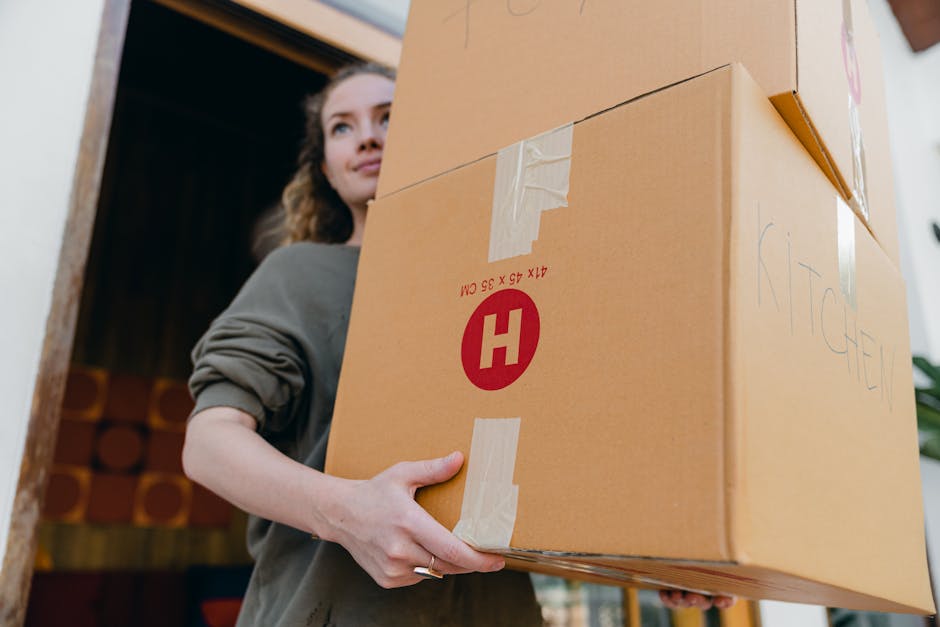
Portable storage containers provide a flexible, ground-level loading alternative to renting traditional moving trucks.
Costs depend on your location, how long you keep the unit, and the distance of your move.
You can choose between 8, 12, or 16-foot containers depending on the square footage of your home.
Most people think moving requires renting a massive truck, driving it through unfamiliar cities, and rushing to unload everything in a single day. The truth is, that high-stress model is becoming a thing of the past. Using PODS for rental containers changes the pace of the entire project. Instead of racing against a ticking clock, you load your belongings into a weather-resistant box sitting right in your driveway.
When you look for PODS for rental, you are paying for convenience and the ability to control your schedule. You load at your own speed, keep the container at your home for as long as you need, or have the company haul it to a secure storage center. This approach removes the risks of driving a large rental truck, such as parking headaches, expensive gas refills, or accidental vehicle damage.
How much do containers actually cost
The price you pay for portable storage is rarely a flat rate. It shifts based on the volume of your home, your geographic location, and how many miles you are moving. A small 8-foot container might hold the contents of a studio apartment, while a 16-foot container is built for three or four bedrooms.
Think of your monthly rental fee as a base cost. If you move locally, the price includes the delivery to your current home, the transport to your new residence, and the final pickup. Long distance moves involve different logistics, which naturally increases the final quote. Always check for seasonal discounts or local specials, as pricing varies by zip code and current demand in your area.
Container Size
Best For
Equivalent Storage Size
Capacity Estimate
8 Foot
Apartments
5x10 Unit
Up to 500 sqft
12 Foot
Small Homes
10x10 Unit
500 to 800 sqft
16 Foot
Large Homes
10x15 Unit
Up to 1,200 sqft
If you want to get a clearer picture of your specific needs, try our moving cost calculator to see how your specific route affects the bottom line. It is also smart to keep in mind that container rentals are generally charged by the month. This gives you extra breathing room if you are staging your home for sale or waiting for your new keys to arrive.
Every interstate mover must offer two liability options. You can choose Released Value Protection, which provides minimal coverage at 60 cents per pound, or pay extra for Full Value Protection, where the mover is responsible for the actual replacement value of your items.
What are your rights when moving
The moving industry has specific rules designed to protect you from bad billing practices. If you hire a company for a long distance move, ask if the quote is binding or non-binding. With a binding estimate, you pay exactly what is written on the contract. No hidden weight adjustments or surprise surcharges will pop up at the end of your delivery.
If your quote is non-binding, the mover cannot demand payment of more than 110 percent of the original estimate upon delivery. Any amount beyond that 110 percent threshold cannot be collected until 30 days after the delivery date. This federal rule prevents companies from holding your items hostage for extra cash on moving day. Always verify a mover's license before handing over any money or signing a contract.
If you choose a portable container company, they often have their own internal policies regarding payment. Most major providers do not require a deposit. Instead, they bill you a week or so before the container delivery. This is a much safer financial arrangement than traditional full service movers who might demand large deposits months in advance.
How to pack for a portable unit
Loading a container yourself is physically demanding but rewarding because you control the safety of your items. Use the built-in tie-down rings found inside most steel-framed containers to keep your furniture from shifting during transport. Because you are the only keyholder, you do not have to worry about strangers handling your personal belongings.
If you have heavy items, consider hiring local labor for a few hours. Many container companies provide recommendations for professional loading crews in your area. This is a great way to save your back while still keeping the flexibility and lower cost of a rental container move.
Since containers sit at ground level, you avoid the hazards of ramps and stairs. It is much easier to walk heavy boxes into a level container than it is to lift them into the back of a rental truck. Take the time to distribute weight evenly throughout the container. Keep your heavy, dense boxes on the bottom and lighter items toward the top. This keeps the load stable during the drive.
Why people choose containers over trucks
The biggest reason to choose containers is the freedom from the road. Driving a 20-foot truck through city traffic is stressful for anyone. When you use a container, you focus on packing your home, and the company handles the transit. You avoid the hidden costs of truck rentals like daily rental fees, insurance riders, and the constant stress of potential breakdowns.
Beyond the move itself, containers act as your temporary garage or pantry. If you are renovating your house, keeping a container on your driveway allows you to store furniture while the floors are replaced. You save yourself the cost of driving to a self-storage facility every time you need a lamp or a seasonal item.
If you are just beginning your research, browse more cost guides to understand how containers stack up against full service movers. Most people find that containers hit the sweet spot of affordability and control. They allow you to move at your pace, avoid the high costs of hiring professional crews, and keep your belongings under your own lock and key.
Yes, most containers are built with steel frames and weather-resistant materials. They are designed to sit outside for long periods, keeping your items dry and secure even in wet or windy conditions.
Do I have to pay for the whole month if I only need the container for a week?
Most container companies rent by the month, which is the standard billing cycle. Even if you finish your move in a week, you generally pay the monthly rate, though this gives you the freedom to load and unload without feeling rushed.
Can I keep the container in my driveway?
You can usually keep a container in your driveway, provided you have enough space and your local homeowners association or city ordinances allow it. It is always a good idea to check with your neighborhood regulations before scheduling your delivery.
If you are ready to start planning, reach out for a few quotes to compare your options. Make sure you understand the liability coverage, confirm the container dimensions will fit your property, and verify that the company has a valid license for your route. You can move on your own terms by choosing the right container, so take your time and choose the option that fits your budget.