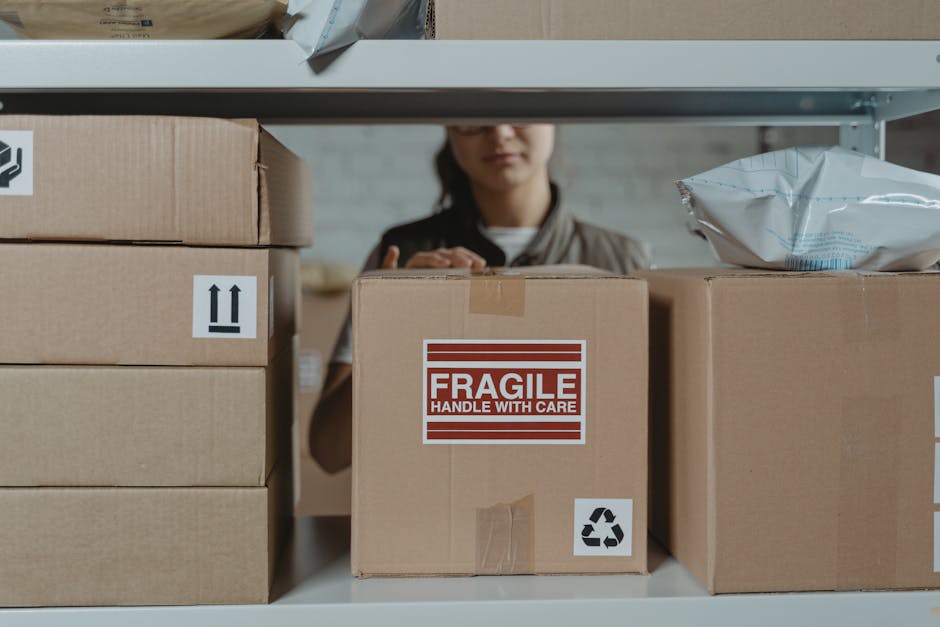
Use small, double walled cardboard boxes to keep the total weight manageable and items secure.
Wrap each piece individually in layers of packing paper or bubble wrap before placing them in boxes.
Never leave empty gaps in your boxes as shifting contents cause the vast majority of transit damage.
Packing fragile items for a long move requires more patience than raw muscle. You are essentially building a custom shock absorption system for your plates, lamps, and heirlooms. While professional packers make it look fast, they are using specific techniques that keep items from colliding inside a bouncing moving truck.
Budget for extra supplies when calculating your total costs. High quality packing paper, bubble wrap, and sturdy boxes often add $100 to $300 to a long distance move. Try our moving cost calculator to see how these materials fit into your overall relocation budget.
Why do fragile items break in transit?
Movement causes damage during long hauls. Even a professional driver cannot avoid every bump or vibration on a three day cross country trip. If your items are not packed tightly, they will eventually settle, shift, and strike each other.
Box quality matters more than you realize. Avoid supermarket leftovers or flimsy boxes from online retailers that were meant for shipping lightweight clothes. Purchase brand new, thick, corrugated cardboard boxes. A box that flexes when you press the side is not strong enough to protect glass or ceramics.
The physics of packing
You must fill every cubic inch of the box to prevent internal motion. Professional movers refer to this as immobilization. If you shake a box and hear anything moving, you have not used enough padding. Towels, packing paper, and bubble wrap are cheap insurance compared to the cost of replacing damaged goods.
Weight distribution matters
Keep your heaviest fragile items at the very bottom of the box. Placing a heavy stoneware platter on top of a stack of coffee mugs is a recipe for a shattered disaster. Build a base of crumpled packing paper first to create a soft, shock absorbing floor inside the carton.
How to choose the right packing materials?
Your local hardware store likely sells a dizzying array of options. Stick to the basics that have been used by professional crews for decades. You do not need expensive specialty gear for every single item you own.
Material
Best Use
Why It Works
Packing Paper
Glassware, Plates
Prevents scratching and offers dense cushioning.
Bubble Wrap
Large Decor, Electronics
Air pockets provide superior impact protection.
Cardboard Dividers
Stemware, Mugs
Keeps items from touching each other directly.
Sturdy Tape
All Boxes
Supports heavy bottoms and keeps flaps sealed.
The role of packing paper
Unprinted packing paper is the most versatile tool in your arsenal. It is non abrasive and can be crumpled into dense balls to fill voids in a box. Always use it to stuff the hollow interiors of cups and jars. This reduces the surface tension and makes the item structurally stronger against external pressure.
Bubble wrap vs alternatives
Bubble wrap is great for large or oddly shaped fragile pieces. Use the small cell bubble wrap for general items and the large cell wrap for heavy statues or lamps. Avoid using bubble wrap on fine wood surfaces for long durations as the plastic can sometimes cause heat damage or finish issues in a hot truck.
What are the pro packing techniques?
Professional crews follow a specific rhythm. They wrap an item, place it, and immediately secure it. Never wrap ten items and then try to pack them. You risk losing track of which ones are already protected.
Wrapping plates and stemware
Place a plate in the center of a stack of three sheets of paper. Fold one corner over the plate, then the next, tucking the edges neatly. You want a tight, cushioned bundle that does not flap around. For stemware, wrap the stem first with a small strip of paper before wrapping the entire glass to prevent snap points.
Handling electronics and lamps
Remove bulbs and shades from lamps before wrapping the base. Pack shades in their own separate boxes to prevent them from being crushed by heavy bases. Electronics should be wrapped in anti static bubble wrap if possible. If you no longer have original manufacturer boxes, use double walled cartons and fill the gaps with foam peanuts or crumpled paper.
All interstate household goods movers are legally required to participate in an arbitration program to resolve disputes over loss, damage, or disputed charges, and must summarize this program in writing before you sign the bill of lading.
Before choosing your service provider, ensure they are legitimate. Verify a mover's license to protect your property and your rights during a long distance move. You can browse more cost guides to understand the standard pricing expectations for your specific relocation distance.
How to manage moving day logistics?
Labeling is the final step in the process. Mark every box containing fragile items with large, clear letters on all sides. Do not rely on just the top of the box. If a mover stacks another heavy box on top, they need to see the fragile warning from every angle.
Communicating with your crew
Walk through your home with the lead mover before they start loading. Point out the specific boxes containing your most delicate items. Ask them to load these boxes last or in a secure section of the truck where they will not be crushed by heavy furniture.
Managing expectations
No matter how well you pack, the reality of interstate transit is harsh. Acknowledge that the best protection is the one you provide yourself. Keep your absolute most irreplaceable items like family photos or specific heirlooms in your personal vehicle rather than the moving truck.
Should I pack fragile items in my car instead of the moving truck?
If you have items that are truly irreplaceable or sentimental, you should transport them in your own vehicle. This removes the risk of shifting in a truck or rough handling by third parties. Pack these in sturdy plastic bins with plenty of padding to protect them from road vibrations.
Is it cheaper to have movers pack my fragile items?
Hiring professional packers usually adds a significant surcharge to your final bill because of the labor time involved. While it is more expensive, it often grants you better coverage in the event of damage. Weigh the cost of professional packing services against the time and stress of doing it yourself.
How do I know if my boxes are strong enough for a long move?
Look for the edge crush test rating printed on the bottom flap of the box. A rating of 32 ECT or higher is standard for most moving boxes and provides adequate strength for household goods. Avoid boxes that feel thin or have signs of water damage, as these will likely fail under the pressure of a stack during a multi day journey.
Preparation is your greatest ally when moving delicate items across the country. Take the time to secure your belongings properly, verify your moving company, and keep your most precious items under your own supervision.