Packing yourself saves money but requires an extra two to four weeks of preparation time.
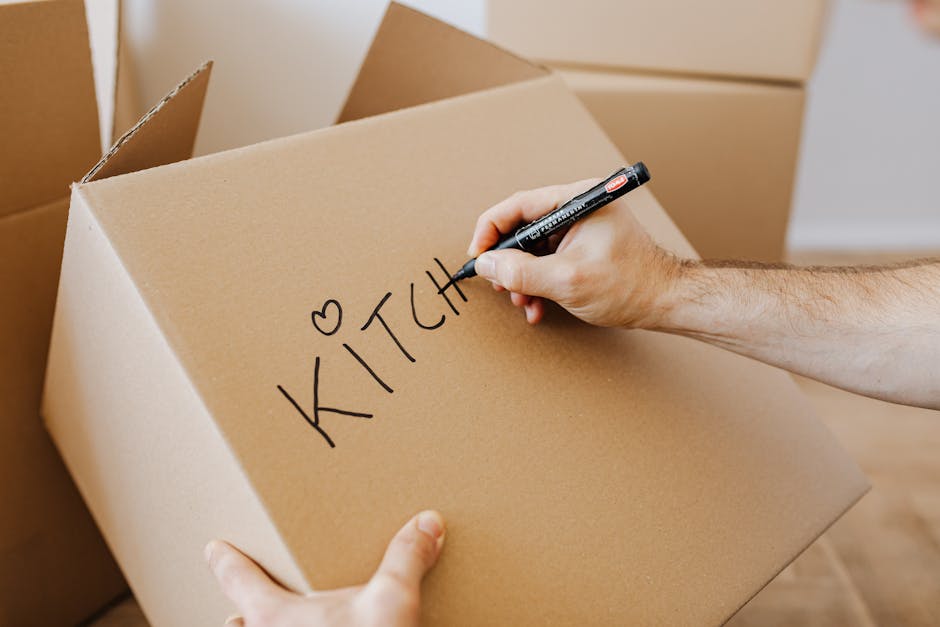
Label boxes on the sides instead of the tops so you can read them while stacked.
Always pack a dedicated first night bag with essential toiletries, chargers, and clothes to avoid stress.
Packing for a move is rarely about how fast you can throw items into a box. It is about how well those items survive the trip and how easy they are to unpack on the other side. If you are preparing for a local or long distance transition, the strategy you use determines whether you spend your first night in a new home looking for a toothbrush or simply resting.
Most professional movers suggest starting your packing process at least four to six weeks before your actual moving day. You should prioritize clearing out clutter before you ever touch a roll of packing tape. If you do not plan to use an item in your new home, getting rid of it now saves you money on moving weight and reduces the effort required to organize your new space.
How to organize your home for the big move
Creating a system early prevents the frantic last minute packing that leads to broken dishes and missing items. Room by room organization remains the most effective way to keep track of your inventory. Start with low use areas like the attic, garage, or spare closet before moving into the high traffic zones like your kitchen and bedroom.
Categorize by room or usage
Grouping similar items together simplifies both the packing and the unpacking process. When you pack all kitchen supplies in one set of boxes, you can place them directly into the new kitchen rather than hunting through bedroom boxes for your toaster. Label every box on the side rather than the top so the identification remains visible even when your items are stacked high in a storage unit or the back of a moving truck.
Create an essential items bag
Your first day in a new home usually involves a blur of moving boxes and exhaustion. Pack a dedicated suitcase or clear plastic bin with everything you need for the first 24 hours. This kit should contain fresh clothes, basic toiletries, phone chargers, medications, and enough paper plates or cutlery to eat a meal without digging through your kitchen boxes.
What packing supplies do you actually need
Buying boxes from a moving company can get expensive quickly if you are not careful. Many people find success by sourcing clean, sturdy boxes from local grocery stores or liquor stores, which are often free. However, professional grade boxes are designed for stacking and durability, so they often protect fragile items better during long hauls.
Common packing supply costs
You should estimate your needs based on the number of rooms you are clearing out. A standard one bedroom apartment typically requires between 30 and 50 boxes of various sizes. If you want to try our moving cost calculator to see how weight impacts your total, remember that heavy items belong in small boxes while bulky, light items fit best in large ones.
Item
Estimated Cost Range
Best Use
Small Moving Boxes
$1.50 to $3.00 each
Books, heavy kitchen items, tools
Large Moving Boxes
$3.00 to $5.00 each
Bedding, pillows, light decor
Packing Tape
$3.00 to $6.00 per roll
Securing boxes and reinforcing bottoms
Packing Paper
$15.00 to $25.00 per pack
Wrapping fragile dishes and glassware
Protecting your valuables
Never assume your items will stay upright just because you marked them as fragile. Use plenty of paper or bubble wrap to fill empty voids inside a box. If you can shake a sealed box and hear things moving inside, you need more padding before you load it onto the truck.
Remember that your mover must offer two liability options. Released Value Protection is free but only covers 60 cents per pound per item, while Full Value Protection covers the actual replacement cost for an added price.
What you should know about your moving rights
Understanding how your mover handles your goods is just as important as the physical packing process. If you hire a professional, your contract will specify the type of estimate you received. When you have a binding estimate, you pay the exact price quoted at delivery unless you request additional services after signing the paperwork.
Non binding estimate rules
If your quote is non binding, the mover cannot force you to pay more than 110 percent of the original estimate at the time of delivery. Any amount exceeding that 110 percent threshold can be billed to you later, typically within 30 days. You should always verify a mover's license before you sign any contract or provide a deposit to ensure they operate within federal safety guidelines.
Avoiding common packing mistakes
Never overpack a box until it becomes too heavy to lift safely. A good rule of thumb is to keep any single box under 50 pounds to avoid injuries and dropped items. If you have extra heavy belongings, use smaller boxes to distribute the weight and make the load manageable for you or your professional moving crew.
How to manage the final countdown
The last few days before moving day should be reserved for the items you use daily. Do not rush through the final kitchen boxes, as these often contain the most fragile or expensive breakables. Keep your tools and scissors accessible until the very end because you will need them to assemble furniture or secure items in the truck.
Stay organized until the end
Check every corner of your closets and drawers one last time before you lock the door. It is common to leave small essentials like shower curtains or light bulbs behind in the excitement of leaving. You can browse more cost guides to learn about additional expenses you might face during your move.
Prepare for the move out
Ensure your boxes are placed in an area that allows for easy access by your movers. If you are doing the move yourself, make sure the heavy items are loaded toward the front of the truck near the cab to maintain balance. Following these steps ensures your transition is efficient and keeps your belongings in great shape.
Is it better to pack boxes room by room or by item type?
Most experts recommend packing room by room because it keeps your inventory organized and makes unpacking much faster. By grouping everything from one room together, you avoid the confusion of opening boxes in the wrong part of your new home.
How do I know if I have the right amount of packing supplies?
A general rule is to overestimate your box count by 10 percent to account for awkward shapes and items. It is always easier to have a few extra boxes for last minute items than to run out of supplies in the middle of a busy moving day.
What items should I never pack in a moving truck?
You should move hazardous materials, important documents, and irreplaceable personal items in your own vehicle. Items like propane tanks, cleaning chemicals, birth certificates, and jewelry are safer with you than inside a moving trailer.
Your next move is a major project, but it does not have to be chaotic if you plan ahead. Take the time to clear your space, organize your items, and verify your mover's credentials to ensure a smooth transition. You can try our moving cost calculator today to get a better sense of your budget for the road ahead.