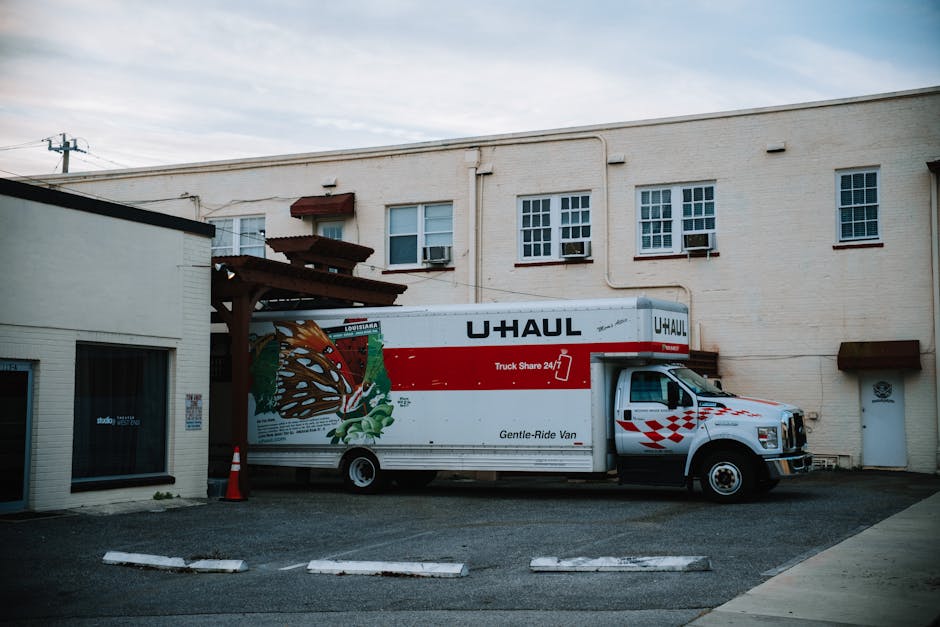
You can view official complaints for free by searching the FMCSA National Consumer Complaint Database.
Every interstate mover must display a USDOT number and an MC number which you can verify on the SAFER database.
Always demand the two required FMCSA publications titled Your Rights and Responsibilities When You Move and Ready to Move.
Most people check Yelp or Google Maps when researching a service provider, but those platforms often fail to show the full story. If you want to know how to find moving company complaints that actually matter, you must look at federal databases instead of star ratings. A company might have a shiny website while hiding a history of lost shipments or illegal pricing practices.
Reliable information starts with government records that track safety and business compliance. Professional movers carry significant responsibilities, and the FMCSA maintains a system to hold them accountable. You should never hire a long distance mover without performing this basic verification step.
Where to look for official moving company records
Private review sites are helpful for gauging customer service, but they rarely capture legal issues or regulatory warnings. When you search for a mover, look for the specific MC number and USDOT number on their website. If a company does not list these numbers clearly, treat that as a major red flag.
The SAFER database operated by the federal government serves as your primary tool for verification. It provides a snapshot of a company including their current operating authority and safety rating. This is where you identify if a mover is actually licensed to cross state lines.
Every legitimate interstate mover must have a USDOT number, and household goods movers specifically need operating authority, known as an MC number, from the FMCSA. You can verify both for free using the FMCSA public SAFER database before you sign any contract.
You should cross reference these official findings with your own research on Verify a mover's license to ensure you are looking at the right entity. Checking these numbers is the single most effective way to avoid fly by night operators who vanish after taking a deposit.
Using the National Consumer Complaint Database
The FMCSA manages a specific database that tracks complaints filed by people just like you. This system identifies patterns of behavior such as holding goods hostage or failing to arrive on time. It is a free resource that cuts through the marketing fluff found on company social media pages.
Why government data trumps online reviews
Reviews on third party sites can be bought, buried, or manipulated by aggressive marketing agencies. Government reports represent formal complaints that were serious enough to reach the level of a federal agency. These records indicate a pattern of failure rather than one isolated bad day for a driver.
What red flags should you watch for
Aggressive sales tactics often indicate that a company cares more about your deposit than your actual move. If a salesperson pressures you to sign a contract immediately to lock in a price, pause and take a step back. Reputable companies provide written estimates based on a physical or virtual survey of your home.
Beware of companies that request a large cash deposit before they even see your inventory. A standard deposit usually covers a small fraction of the total move, but it should never be the majority of the cost. If they refuse to provide a detailed inventory list, you should walk away immediately.
Moving Factor
Reliable Mover
Problematic Mover
Estimate Basis
Physical or video survey
Phone quote with no survey
Licensing Proof
Displays USDOT and MC numbers
No license numbers provided
Required Docs
Provides FMCSA booklets
Claims booklets are unnecessary
Payment Timing
Balance due upon delivery
Requires 100 percent upfront
You can Try our moving cost calculator to see if the quote you received aligns with current market averages for your specific route. If a company quote is significantly lower than everything else you see, it is likely a lure for a later bait and switch.
The bait and switch tactic
This common scam involves a low initial estimate that miraculously doubles once your goods are inside the truck. They might claim your items weighed more than expected or that you had more boxes than you declared. Once your possessions are on their truck, you lose your leverage to negotiate.
Mandatory paperwork you must receive
Every interstate mover is required by law to provide two specific documents before the move begins. These are titled Your Rights and Responsibilities When You Move and Ready to Move. If a mover refuses to give these to you, they are in violation of federal rules.
How to protect your household goods
Knowing how to find moving company complaints helps, but you must also understand your rights regarding loss or damage. Federal law mandates that moving companies offer you specific levels of valuation coverage. The default coverage is often far too low to replace your belongings if a total loss occurs.
Ask your mover for a written explanation of the difference between full value protection and released value protection. Full value protection requires the mover to repair or replace damaged items at their current market value. Released value is usually sixty cents per pound, which barely covers the cost of a damaged plastic bin.
What to do when the move goes wrong
If your items arrive damaged or missing, start the claims process immediately. Keep all receipts and document every damaged box with clear photographs before you unpack. You can file a formal complaint through the FMCSA National Consumer Complaint Database if the company refuses to address your claims fairly.
Filing a complaint effectively
When you file, be specific about the dates, the employee names, and the exact dollar amount of the loss. Vague complaints often lack the weight needed for investigators to take action. Use Browse more cost guides to learn about standard industry practices so you can describe exactly where the mover failed to meet their obligations.
Why the process is worth the time
Investing an hour into background research can save you thousands of dollars in hidden fees and broken items. When you see a company listed in multiple consumer complaint databases, you know exactly what kind of experience to expect. Protecting your property is a proactive task that starts long before the moving truck pulls into your driveway.
Online reviews offer a glimpse into basic customer service, but they often miss systemic issues like illegal pricing or licensing failures. You should never rely solely on star ratings because they rarely reflect the legal standing or safety record of an interstate mover.
Can I verify a mover's license for free?
Yes, the federal government maintains a public database called SAFER that lets you check a company's USDOT and MC numbers at no cost. This database shows whether a company is authorized to transport goods across state lines and provides a snapshot of their safety history.
What happens if a moving company breaks my items?
You are entitled to file a damage claim based on the level of liability coverage you selected in your bill of lading. If the company ignores your legitimate claim, you can report them to the FMCSA via their National Consumer Complaint Database to help trigger a regulatory review of their practices.
Doing your homework on a mover is the best way to prevent a disaster on moving day. Start by verifying their license numbers on the SAFER database and check the official complaint records before you sign any estimate. If you need help understanding what your move should cost, use our cost calculator to set realistic expectations for your budget.