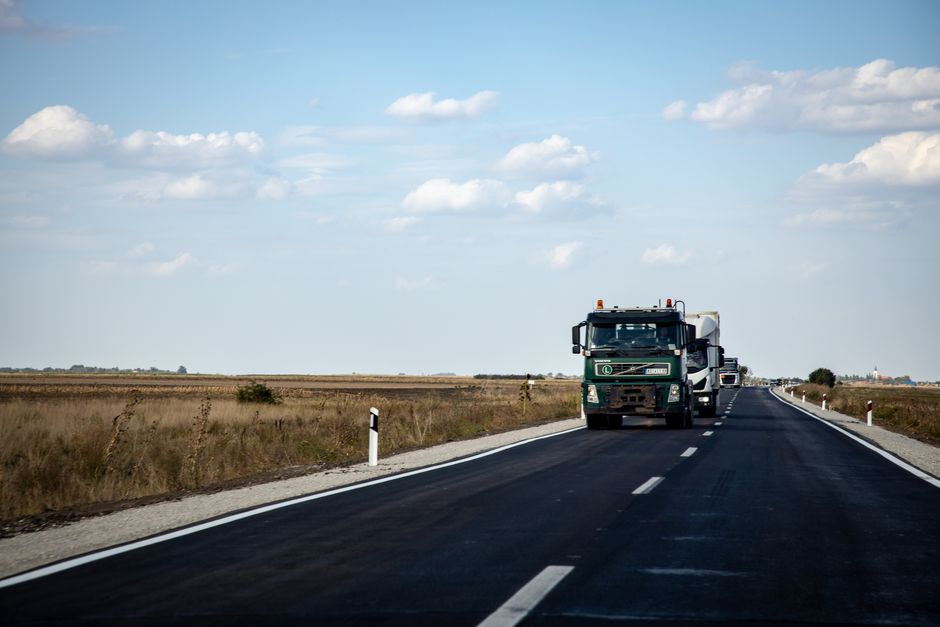
Heavy equipment moving projects usually start at several hundred dollars for local jobs and climb into the thousands for complex industrial relocations.
Most professional riggers charge based on the equipment type, total weight, site access, and the specialized machinery needed for the lift.
Always verify a mover's credentials and insurance status before allowing them to handle sensitive or high value industrial equipment.
Moving heavy machinery is not like relocating a standard household. You need specialized teams, certified riggers, and heavy duty vehicles to move items that weigh thousands of pounds. When you search for heavy equipment movers near me, you are looking for companies that offer more than just a truck and a few workers. These projects require structural knowledge, planning, and equipment like gantries, cranes, or industrial forklifts.
Pricing for these services is rarely flat rate because every project presents unique physical challenges. An industrial lathe or a piece of medical imaging equipment requires different care than a standard warehouse pallet. Expect to provide specific dimensions, weight, and site access details before a company will give you a firm number.
What factors dictate the price of moving heavy equipment?
Complexity is the primary driver of your final bill. Moving a single machine across a warehouse floor is cheaper than dismantling an entire production line for a long distance move. Companies must factor in the time required for assembly or disassembly, which often takes longer than the actual transport.
Site accessibility also plays a massive role in your total cost. Does the equipment need to be moved through a narrow loading dock or hoisted through a second story window? If your space requires custom rigging or specialized spreader bars, the labor hours will increase. You are paying for the safety of your asset and the workers on site.
Equipment weight and dimensions
Heavier loads require larger forklifts and higher capacity trucks. Small items under two thousand pounds might move easily, but objects exceeding ten tons demand state of the art gantries and heavy duty trailers. Most companies will ask for the exact footprint and weight to ensure they bring the right tools to your location.
Logistics and route planning
Interstate moves involve permits and route surveys that add to your expense. If your equipment is oversized, the company might need to hire pilot cars or schedule travel during specific hours. These administrative and legal requirements are passed on to you as part of the total moving service fee.
Labor and specialized certifications
Riggers are skilled technicians who understand structural loads and balance. You pay a premium for certified experts who know how to avoid damaging delicate components. Never settle for the lowest quote if it comes from an unverified crew that lacks the insurance to cover your machinery in the event of an accident.
Service Type
Complexity Level
Typical Price Drivers
Short distance floor move
Low
Labor hours and equipment use
Local facility relocation
Moderate
Loading time and truck transport
Interstate industrial haul
High
Permits and fuel and route survey
Complex rig and lift
Very High
Cranes and custom engineering
How should you evaluate a moving quote?
Transparency is essential when dealing with industrial moves. A reputable company will visit your site or request detailed photos before offering a price. If a company gives you a quote over the phone without asking about the weight, dimensions, or path of travel, walk away. They are likely underestimating the labor involved, which will lead to a higher bill later.
Be aware that moving companies operate under specific regulations regarding estimates. Under a non binding estimate, a mover cannot require you to pay more than 110 percent of the estimated amount at delivery. Any remaining balance can be billed later, typically within 30 days. This protection exists to keep companies from baiting you with low prices and demanding significantly more at the destination.
Understanding binding vs non binding estimates
A binding estimate is your best defense against fluctuating costs. You pay exactly the quoted price at delivery, regardless of the shipment's actual weight, unless you add services after signing. This is ideal if you are working with a strict budget and want to avoid surprises once the move is underway.
Insurance and protection options
Protecting your investment is just as important as the actual move. Every interstate mover must offer two liability options. Released Value Protection provides minimal coverage at 60 cents per pound per damaged item, which is usually not enough for high value machinery. Full Value Protection makes the mover liable for the item's actual replacement value, which is usually worth the extra cost for sensitive gear.
Verifying professional credentials
Before you sign a contract, confirm the company is legitimate. You can verify a mover's license to ensure they are registered and authorized to transport goods across state lines. A professional team will also be happy to share proof of insurance and provide references from similar industrial projects in your area.
What should you prepare before the move?
Preparation helps you minimize the time the movers spend on site. Clear the pathways inside your facility to ensure the equipment can be moved without obstruction. If the machine needs to be disconnected from power or data, have a qualified electrician or technician handle that work before the movers arrive.
Most professional moving teams focus on the rigging and transport. They expect the equipment to be ready for the road. If you leave the assembly work to them, your costs will rise as they charge for these extra technical services. Always discuss these details with your cost calculator outputs to get a more accurate picture of your total project spending.
Preparing the site
Measure every doorway and passage the equipment must pass through. If the equipment does not fit, the movers may have to disassemble it, which requires more labor. Informing the movers about these constraints early allows them to bring the right tools.
Staging the equipment
Place the machinery in an area where the riggers can access it easily. If you have a loading dock, ensure it is clear of debris. These small steps ensure that the move proceeds according to your schedule, preventing costly delays in your business operations.
You need a rigger if your equipment is too heavy for standard pallet jacks or if it requires specialized lifting to clear obstacles. Riggers are experts in balance and structural integrity, meaning they are safer for high value or delicate assets. If you are moving heavy manufacturing gear, a basic moving company is likely not equipped for the job.
What is the difference between an industrial mover and a general mover?
Industrial movers focus specifically on machinery, production lines, and sensitive technical apparatus that require heavy duty lifting equipment. General movers are experts at household goods, furniture, and office equipment. For heavy machinery, you should always select a specialist that has experience with your specific equipment type to avoid damage.
Can I move heavy equipment myself?
Moving heavy equipment yourself is extremely dangerous and often leads to damaged assets or serious injury. Without professional gantries, heavy duty forklifts, and safety gear, you lack the leverage to manage heavy loads securely. It is almost always more cost effective to hire professionals who carry the necessary liability insurance.
Planning your relocation properly is the best way to keep costs under control. Take the time to get accurate quotes and always verify that your mover is properly licensed for the work. You can browse more cost guides to help refine your budget and prepare for a successful move.