How Do You Manage Moving With Kids Without Losing Your Mind?
TM
Written by TheMoveTips Editorial Team
Updated 6 min read
Quick Answer
Involve children in the packing process early to reduce anxiety by giving them control over their own small box of treasures.
Budget for an extra 20 percent in your moving costs to account for hotel stays or childcare during the actual move day.
Prioritize setting up their bedrooms immediately upon arrival to establish a sense of stability in the new home.
Moving with kids changes every part of your logistics plan. You are not just managing inventory or boxes anymore. You are managing the emotional state of people who find comfort in routine and familiar surroundings.
Most families find that the relocation process takes at least 30 percent longer when children are involved. You need to plan for constant interruptions and the necessity of keeping snacks, comfort items, and entertainment within arm’s reach at all times.
This approach requires more than just good planning. It demands a strategy that keeps your sanity intact while ensuring your children feel secure throughout the transition.
How do you prepare kids for the big move?
Preparation starts long before the boxes arrive. You must treat the move as an open conversation rather than a surprise. Children process change best when they have time to visualize their future routine.
Start the conversation early
Avoid the temptation to wait until the last minute. Tell your children about the move as soon as you have a date confirmed. Use simple terms to explain where you are going and why. Allow them to ask questions without feeling like they have to accept the decision immediately.
Visit the new area together
If you have time before the move, drive by the new house or walk through the new neighborhood. Point out the local parks or the school they will attend. Seeing the environment helps remove the mystery that often causes fear in younger children.
Create a special box
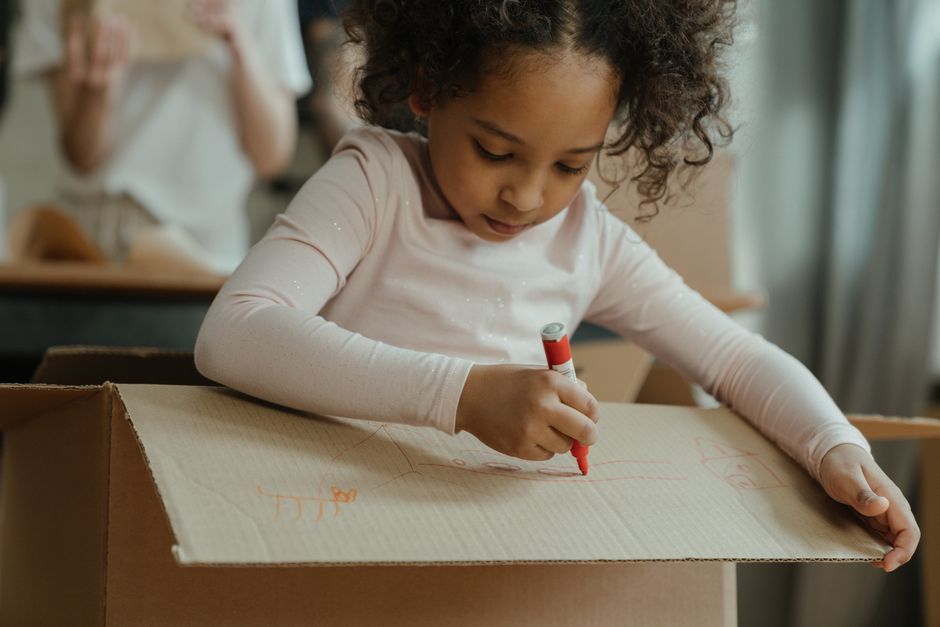
Give every child a designated box for their most important items. Let them decorate it with stickers or markers. Tell them this box stays in the car with the family, not the moving truck. This guarantees they have their favorite toys immediately upon arrival at the new house.
What packing strategies work for families?
Packing for a move is often the most chaotic phase. You have to balance professional loading requirements with the reality of living in a half packed house.
Pack in phases
Start with the items you rarely use. Off-season clothes and decorative items go into boxes weeks in advance. Save the everyday essentials for the very last days of the move. You can try our moving cost calculator to estimate how many boxes you might actually need for your household size.
Keep the kids out of the way
It is nearly impossible to pack while simultaneously managing a toddler. Arrange for a relative or a babysitter to take the kids out of the house during heavy packing days. If you are doing the packing yourself, create a designated play zone that remains untouched until the end.
Label by room and priority
Use color-coded tape for each child’s room. When the movers arrive, they can place the correct boxes directly in the intended space. This saves you from hunting for a specific stuffed animal buried under kitchen appliances after a long day on the road.
How do you manage move day logistics?
Move day is rarely predictable. Professional crews usually work quickly, but your children will likely need more attention than usual.
Establish a safe zone
Designate one room as the off-limits area for movers. Keep all of your personal bags and kid-related items in this room. This prevents your gear from accidentally getting loaded onto the truck.
Track your inventory
Every legitimate interstate mover must provide you with documentation before they start. You have the right to be present when your shipment is weighed and to request a reweigh if you have concerns. Verify a mover's license to ensure you are working with a company that follows safety standards.
Prepare for the unexpected
Keep a go-bag with enough supplies for 48 hours. Include extra batteries, chargers, snacks, and enough changes of clothes for everyone. Do not rely on finding things in a box later.
Item
Estimated Cost
Pro Tip
Childcare (1 full day)
$100 to $200
Hire someone they already know.
Moving insurance
$50 to $300
Review the liability coverage terms.
Hotel stay
$150 to $300
Book family suites for extra space.
Packing supplies
$200 to $500
Buy more tape than you think.
This table highlights the immediate costs you should anticipate beyond the base moving fees. You can browse more cost guides to see how these expenses vary by distance and season.
How do you settle into your new home?
The final hurdle is helping the family transition into the new space. Your goal is to make the home feel familiar as fast as possible.
Prioritize bedrooms first
Assemble the beds and set up the bedding before you worry about the kitchen or the living room. Seeing their bed made up with familiar pillows and blankets provides immediate comfort. It turns a scary new house into a place where they feel safe sleeping.
Keep the old routine
Maintain the same bedtime and mealtime schedules as you had in your previous home. Children thrive on the consistency of a routine, even when the scenery changes completely. A familiar bedtime story or a specific dinner ritual goes a long way toward lowering stress.
Before your move, an interstate mover is required to give you copies of two FMCSA publications: 'Your Rights and Responsibilities When You Move' and 'Ready to Move.'
Be patient with the adjustment
Expect some regression in behavior. It is normal for children to act out or feel sad as they process the change. Acknowledge their feelings without pressuring them to be excited about the move immediately.
How long does it take for kids to adjust to a new home?
Most children start to feel settled within three to six months after a move. This timeframe depends on how quickly they make new friends and establish a routine at their new school.
Should I let my kids help with the move?
Yes, involving kids in age-appropriate tasks helps them feel a sense of ownership over the process. Let them pack their own toys or label their own boxes to keep them engaged and less anxious.
What if my child hates the move?
Validate their feelings and encourage them to talk about what they miss most about the old home. Focus on creating positive experiences in the new neighborhood to help build new memories and associations.
Moving requires patience and a heavy dose of grace for both you and your children. Start your planning today by reviewing your budget and confirming your moving company credentials.