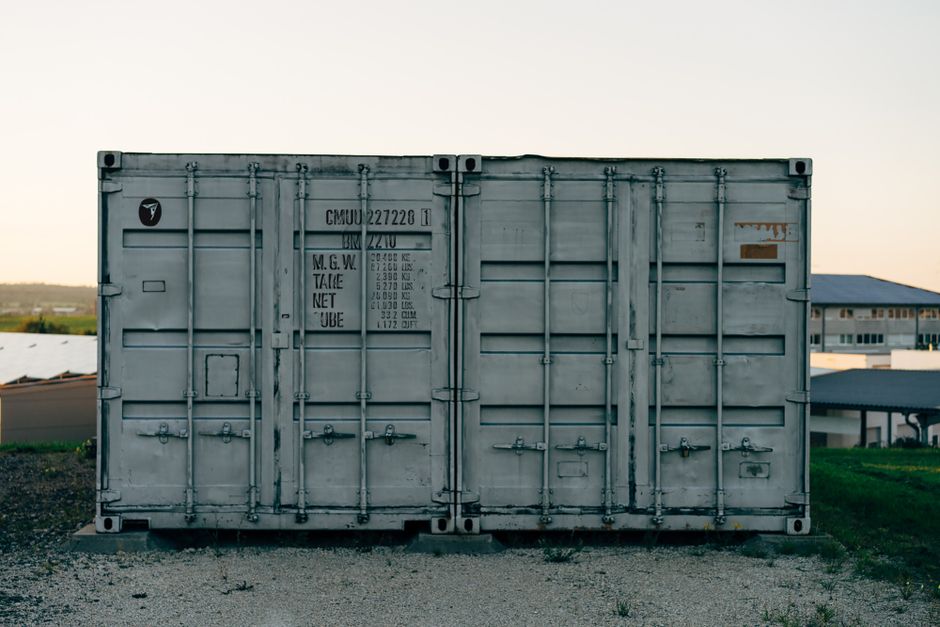
Storage unit prices typically range from $30 to $250 per month based on size, location, and climate requirements.
Climate controlled units often cost 25 to 50 percent more than standard drive up options.
You can usually secure a lower rate by booking online, opting for drive up access, and choosing facilities slightly outside city centers.
Finding out how do storage unit prices compare in my area often feels like a guessing game. You check three different websites and get three different numbers, or worse, you see an online price that disappears the moment you call the facility. Realistically, monthly rent for a standard storage unit fluctuates based on simple supply and demand in your specific zip code.
Most national chains and local providers update their pricing daily to match local occupancy rates. If a facility has many empty units, the price drops. If they are near full capacity, your quote will climb quickly. You should expect to pay anywhere from $30 for a small locker to over $250 for large units designed to hold a whole home worth of furniture.
What factors change your monthly storage rate?
Your base price starts with the unit square footage, but it rarely ends there. Many people overpay because they rent a space twice the size of their actual needs. Before you sign a contract, visualize your belongings stacked floor to ceiling. You can likely fit significantly more than you realize if you pack vertically.
The impact of climate control
Climate control is a popular upgrade that keeps temperature and humidity within a specific range. It serves a vital purpose for antiques, musical instruments, or expensive electronics. However, it also adds 25 to 50 percent to your monthly bill. If you are only storing plastic bins, holiday decorations, or sturdy furniture, you probably do not need this extra layer of protection.
Indoor versus drive up access
Drive up units provide the most convenience for heavy items, allowing you to pull your vehicle right to the door. These are almost always cheaper because the facility does not need to maintain hallways, elevators, or sophisticated climate systems. Indoor units offer slightly more security and protection from outdoor pests, but you pay a premium for those interior amenities.
How do prices shift by size?
Getting an accurate quote requires understanding the standard sizing brackets used across the industry. While specific prices change by the week, the relationship between unit sizes remains consistent.
Unit Size
Best Use Case
Estimated Price Range
5x5
Small furniture or a few boxes
$30 to $80 per month
5x10
The contents of one standard bedroom
$60 to $130 per month
10x10
The contents of a two bedroom apartment
$100 to $200 per month
10x20
Large house, garage contents, or a car
$180 to $300+ per month
Check these numbers against local facilities to see if you are getting a fair market deal. If a facility charges significantly more than these ranges, look for a competitor a few miles away. Try our moving cost calculator to see how storage fits into your total relocation budget.
What should you look for in the fine print?
Lower advertised rates often come with hidden administrative costs that can catch you off guard during checkout. Most facilities charge a one time administrative fee ranging from $20 to $50 when you first move in. You should always ask if this fee is mandatory or if it can be waived during a promotional period.
The truth about introductory deals
Many facilities offer a first month discount, such as 50 percent off or even a full month free. These deals help lower your upfront costs, but they can mask the long term price you will pay once the promotion expires. Always confirm the actual monthly rate that will kick in after your deal ends so you do not get stuck with a surprise bill later.
Security and insurance requirements
Most storage companies require you to carry insurance for your stored property. They may try to sell you their own policy directly at the counter, which is convenient but often more expensive than your existing renters or homeowners insurance. Call your insurance agent before move in day to see if your current policy extends to items held in offsite storage. If you need help vetting a professional company for your move, Verify a mover's license to ensure your goods stay safe during transport.
How do you secure the best rate?
You can exert more control over your costs by timing your search correctly and being flexible with your requirements. Avoid moving during the peak summer months if possible, as storage facilities are at their busiest and least likely to offer discounts. If you must move in summer, try to reserve your space at least three weeks in advance to lock in a lower rate.
Look outside the city center
Facilities located in the middle of a city or near major transit hubs naturally charge higher premiums for the convenience. If you have a vehicle and can drive an extra ten minutes into the suburbs, you will often find monthly rates that are 15 to 20 percent lower. The distance might be slightly inconvenient, but the cumulative savings over a six month period can be significant.
Review your contract terms
Avoid long term contracts that lock you into a rate if you only need short term help. Most reputable facilities operate on a month to month basis, giving you the freedom to move your items out as soon as your home is ready. If you are still exploring your options, Browse more cost guides to see how other parts of your move impact your total expenses.
Some facilities offer a small discount if you prepay for six months or a year upfront, but this is less common than it used to be. You should weigh the benefit of a slightly lower monthly cost against the risk of paying for space you might not need if your plans change unexpectedly. Monthly billing usually offers the best balance of flexibility and cost.
Do storage prices change after I move in?
Your rental rate can indeed increase while you are a customer if the facility decides to adjust prices based on market demand. They typically provide notice before these increases take effect, but you should review the rental agreement to understand their policy on future price adjustments. It is good practice to periodically check current rates at nearby facilities to ensure you are still getting a competitive deal.
Can I negotiate the price of a storage unit?
You can often negotiate with managers if you are willing to pay for several months upfront or if you are renting multiple units at once. Even without these factors, mentioning a lower price you saw at a competitor a few blocks away can sometimes lead to a manager providing a matching discount. It never hurts to ask for a better rate before you finalize your reservation.
Managing your storage costs comes down to being an informed consumer who knows exactly what space is needed. Compare a few different facilities in your area and prioritize those that offer month to month flexibility without hidden admin traps. You have more power in the process than you might think.