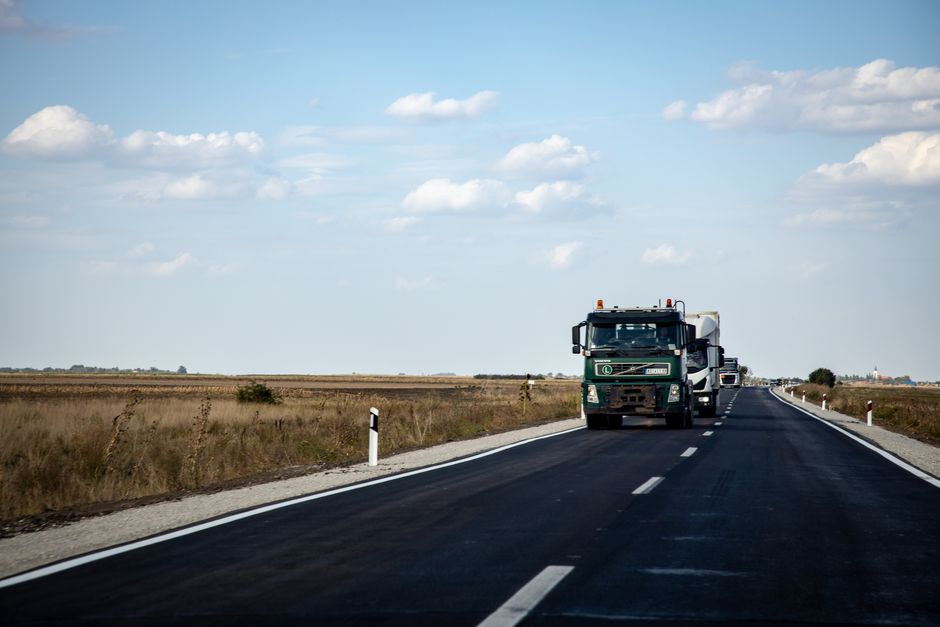
Most personal auto insurance policies do not cover damage to a rental truck.
Credit cards rarely provide collision coverage for trucks because of their size and commercial classification.
Rental protection plans typically cost between 15 and 30 dollars per day depending on the coverage level.
Most people assume their personal car insurance follows them wherever they drive. This assumption often stops at the door of a moving truck rental office. When you ask does car insurance cover U-Haul rental, the short answer is almost always no.
Insurance companies classify moving trucks as commercial vehicles rather than passenger cars. Your standard liability policy protects you when driving a sedan, but it does not extend to a box truck. Moving a household is stressful enough without discovering a massive liability gap in the middle of your trip.
You should verify your policy specifics before you head to the pickup counter. Many drivers skip the extra protection offered by rental agencies only to regret it when an accident occurs. A single minor scrape on a tall truck can lead to a bill costing thousands of dollars.
Why does your personal policy fall short?
Insurance contracts are written with specific exclusions for large, heavy, or commercial vehicles. A rental truck weighs significantly more than a standard passenger vehicle. Most carriers argue that the increased risk and specialized handling requirements fall outside their coverage scope.
Check your auto policy fine print
Look for specific language regarding rental vehicles in your current agreement. Most policies cover small passenger cars or SUVs. They explicitly exclude vehicles with a gross weight over a certain threshold. Moving trucks usually exceed these weight limits immediately.
Do credit cards help you out
Many premium credit cards offer collision damage waivers for rental cars. These benefits almost always apply to passenger sedans only. You will find that nearly every card issuer excludes box trucks and cargo vans from their list of covered vehicles.
Understanding the rental company perspective
Rental agencies prioritize selling their own protection plans because they know your personal insurance won't pay the bill. If you damage their equipment, they will hold the primary renter responsible for the entire cost of repairs. They do not rely on your personal insurer to settle the claim.
You might feel the urge to decline coverage, but that is a dangerous gamble if you are not prepared to pay for damages out of pocket. If you are still budgeting for your move, you can try our moving cost calculator to see how these daily insurance fees fit into your total project expenses.
What coverage do rental companies actually offer?
Moving companies offer several tiers of protection that act more like waivers than traditional insurance. These products limit your financial responsibility if the truck is involved in an accident or sustains physical damage during your trip.
Understanding damage waivers
A damage waiver is not insurance in the technical sense. It is a contractual agreement that the rental company will waive its right to charge you for repairs if the vehicle is damaged. This is often the most critical protection you can purchase at the counter.
Liability coverage explained
Liability protection covers the damage you cause to other people or their property. This is separate from the physical damage to your rental truck. You should confirm if your existing home or auto policy covers your liability while operating a commercial-style vehicle.
The cost of peace of mind
Most daily rental plans range from 15 dollars to 30 dollars per day. The total cost depends on the size of the truck and the level of protection you choose. It is a small fraction of your total move cost, yet it prevents a catastrophic financial loss.
Coverage Type
Typical Daily Cost
Primary Benefit
Basic Damage Waiver
$15 to $20
Covers minor scratches and dents
Full Coverage Plan
$25 to $35
Limits out of pocket for major accidents
Liability Protection
$10 to $15
Protects against claims from other drivers
Cargo Insurance
$5 to $10
Covers your personal belongings inside
When you compare these prices, consider the risk of driving a vehicle you are not accustomed to. Large trucks have massive blind spots and require much longer braking distances. You can browse more cost guides to help you better understand the hidden expenses of a DIY move.
Are your belongings covered while in transit?
Rental truck insurance protects the steel and glass, but it rarely protects the contents inside the box. Damage to your furniture or electronics is usually your own responsibility. This is a common point of confusion for many movers.
Reviewing your homeowners policy
Some homeowners or renters insurance policies provide limited coverage for personal property while in transit. This coverage often depends on the cause of the loss, such as fire or theft. Water damage from rain or shifting items during transit is often excluded from standard policies.
Purchasing specialized moving insurance
If you are moving high value items, look into third party insurance providers. These companies offer policies specifically for household goods during a move. This is different from the rental agency insurance and covers items against breakage or theft.
Always photograph your items before and after loading the truck to create a clear record of their condition for any future insurance claims.
Documenting your inventory
Keep a written list of everything packed in the truck. If you ever need to file a claim, this inventory will serve as your primary evidence. You can also verify a mover's license if you decide to hire pros instead of doing a rental, as professional movers have different liability requirements.
How to minimize risk during your move
Reducing the risk of an accident is the best way to handle the insurance gap. Most accidents occur during parking or turning because the driver underestimates the size of the truck. Treat every turn with extreme caution.
Mastering the height clearance
Always know the exact height of your rental truck. Low hanging branches, drive-thru overhangs, and parking garages can cause significant damage in seconds. If you are in doubt, do not attempt to drive through a narrow clearance area.
Adjusting your driving style
Give yourself extra space between your truck and the vehicle ahead. A loaded moving truck requires much more distance to stop than your daily driver. Never rely on the side mirrors alone, as they cannot cover every blind spot.
Performing a walk around inspection
Before you drive off the lot, inspect the truck for pre-existing damage. Mark every scratch or dent on the rental agreement form provided by the agent. This step protects you from being held liable for damage that happened before you ever touched the keys.
Most credit cards specifically exclude moving trucks and large cargo vans from their rental car insurance benefits. You should check your specific card agreement for language regarding vehicle weight and commercial use. Always assume the answer is no unless you have written confirmation from your card issuer.
What happens if I crash a rental truck without insurance?
You become personally responsible for the full cost of the repairs to the truck and any liability for other parties involved in the accident. This can easily result in costs reaching thousands of dollars. The rental company will pursue payment aggressively and may send your account to collections if you refuse to pay.
Should I pay for the extra rental insurance?
If your personal auto insurance policy does not cover you, purchasing the rental agency coverage is the safest financial move. Even if the daily cost seems high, it is far cheaper than the liability you face in a worst-case scenario. It provides you with a clear path to resolve damages without putting your personal assets at risk.
Taking the time to understand these insurance gaps now will save you a headache later. If you are still worried about the total price of your move, remember that you have options beyond a DIY truck rental. Check your budget against professional quotes and ensure you are making the smartest move for your specific needs.