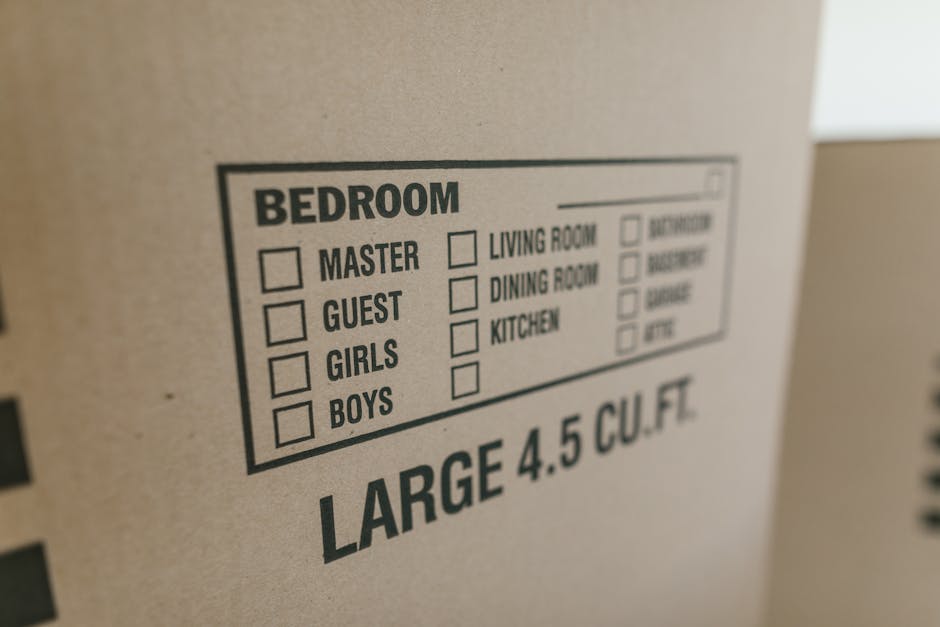
Extra large moving boxes typically cost between $2 and $5 per unit depending on thickness and quality.
Use these large containers only for lightweight, bulky items like pillows, blankets, or linens to avoid injury.
Never pack heavy objects like books or kitchen appliances in these boxes because they will likely break or become too heavy to lift.
You probably think the biggest box is the best choice for your move. It seems like a simple way to clear out your closet and get everything into the truck in one trip.
Using extra large moving boxes can actually be a massive mistake if you are not careful about what goes inside them. Choosing the wrong container leads to broken belongings, back injuries, and extra fees from professional movers who charge by the hour.
How much do extra large moving boxes cost?
You can expect to pay anywhere from $2 to $5 for a single extra large cardboard box. Prices fluctuate based on whether you buy them from a local home improvement store or order them in bulk through online retailers.
If you are looking to save money, check local neighborhood groups for people giving away used boxes. Buying in sets of ten or twenty usually drops the price per unit by a significant margin.
Budgeting for your move
Moving is expensive and every dollar counts toward your final tally. Use our try our moving cost calculator to see how your supply budget fits into the larger picture of your interstate relocation.
Quality differences in materials
Not all cardboard is created equal during the manufacturing process. A standard single wall box is fine for light storage, but you should look for double wall construction if you plan to stack them.
Box Size
Typical Price Range
Best Use Case
Small (1.5 cubic feet)
$1.50 - $2.50
Books, heavy tools, canned goods
Medium (3.0 cubic feet)
$2.00 - $3.50
Kitchen items, clothing, electronics
Large (4.5 cubic feet)
$2.50 - $4.00
Linens, lamps, children toys
Extra Large (6.0+ cubic feet)
$3.00 - $5.00
Comforters, pillows, oversized coats
Your budget should account for these variations in size and strength. A well planned packing strategy uses a mix of sizes rather than relying solely on the biggest options available.
Why do people overpack their largest boxes?
People naturally assume that more space equals more efficiency. When you have a massive box sitting on your living room floor, the urge to fill every square inch of it is often overwhelming.
This behavior creates a dangerous situation for your back and your fragile items. When you pack heavy items into a large container, the bottom cardboard is likely to collapse under the weight during transport.
Professional movers prioritize the safety of your goods by limiting weight in large containers. If a box is too heavy to lift safely, they may refuse to move it until you repack the contents into smaller, more manageable boxes.
The dangers of heavy items in light boxes
Packing books or kitchen appliances into extra large moving boxes is the number one cause of damaged goods. The weight distribution becomes uneven, which makes the box unstable while sitting on a moving truck.
Weight limits and safety
Most cardboard containers are designed to hold no more than 50 pounds. Exceeding this weight limit makes the box prone to ripping open while you are carrying it up the stairs.
Transitioning your packing strategy to smaller boxes for heavy items will make your moving day much smoother. You should also browse more cost guides to learn about how professional packing services handle these specific logistical hurdles.
How to pack extra large containers properly
You should treat extra large moving boxes as specialized tools rather than general utility items. They are intended for lightweight, bulky things that take up a lot of room.
Think about your bedroom and living room when selecting what to pack. Comforters, decorative pillows, winter coats, and fabric laundry hampers are perfect candidates for these boxes.
What to never put inside
Avoid putting liquids, heavy electronics, or sharp objects in your largest boxes. These items require structural integrity that large, thin-walled boxes simply cannot provide.
Maximizing space without extra weight
Use soft items to fill the gaps around smaller, oddly shaped breakables. This keeps your belongings from shifting during the ride. If you feel like a box is becoming too heavy to lift comfortably, stop and start a new one immediately.
What are the movers liability rules?
Knowing your rights helps you stay calm if something goes wrong on the road. Every interstate mover must offer two liability options to protect your belongings.
Released Value Protection is the free, minimal option that pays 60 cents per pound for any damaged item. Full Value Protection makes the mover liable for the actual replacement value of your goods, though this usually comes with an added cost.
Understanding your estimates
If you are moving across state lines, you have specific protections under federal law. Under a binding estimate, you pay exactly the quoted price at delivery unless you authorize extra services after signing.
If you receive a non-binding estimate, the company cannot force you to pay more than 110 percent of that amount upon delivery. You can always verify a mover's license to ensure they are registered and following these federal guidelines.
These boxes are worth the investment only if you have enough lightweight items to justify the space. They become a waste of money if you cannot fill them without exceeding the safe weight limit for lifting.
Can I use large plastic bins instead of cardboard?
Plastic bins are durable and reusable, but they can be expensive to purchase in large quantities. They also do not fold down like cardboard, meaning they take up significant space in your new home after the move is over.
Should I double tape the bottom of large boxes?
You should always reinforce the bottom of any box with high quality packing tape regardless of the size. Using a H-pattern tape application adds structural support that prevents the bottom flaps from giving way under pressure.
Planning your move requires a careful balance of budget and physical safety. Stick to smaller containers for your heavy items, and you will arrive at your new home with everything in one piece. If you need more clarity on your move, check your mover's credentials or revisit our guides to make sure you are ready for the road.